/main.jpg)
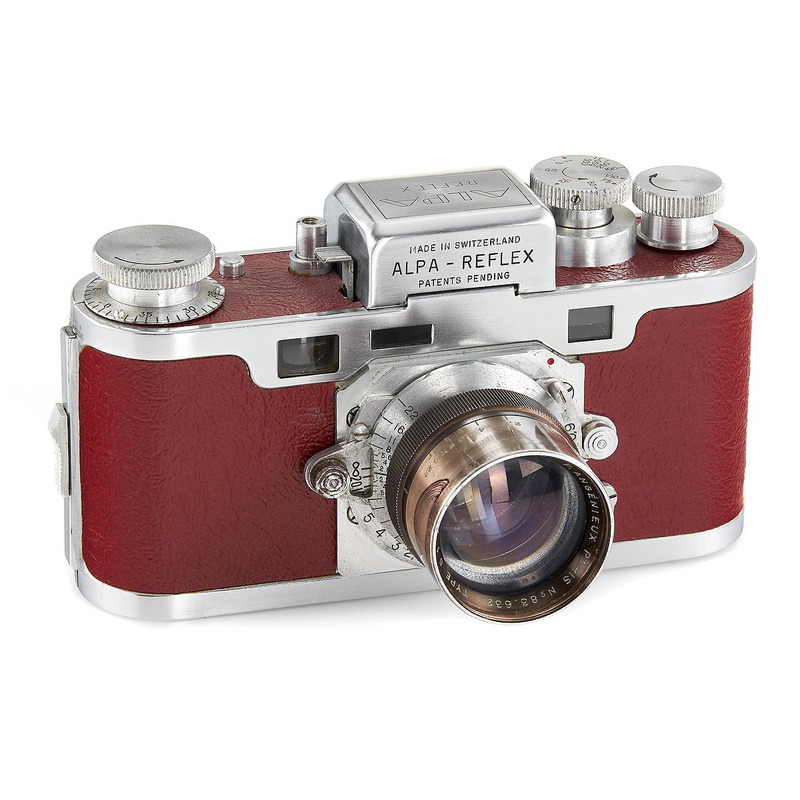
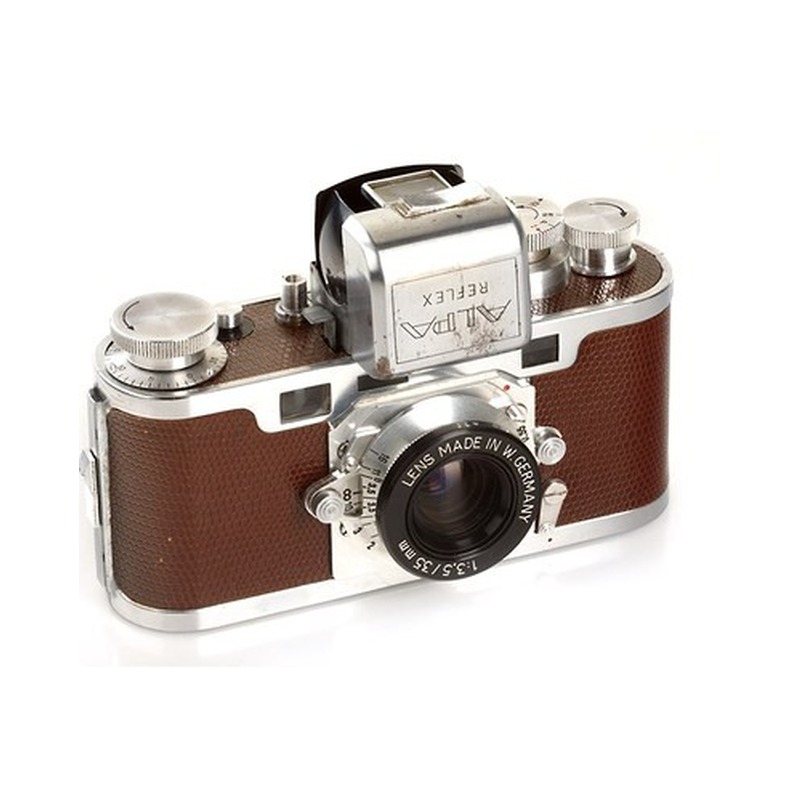
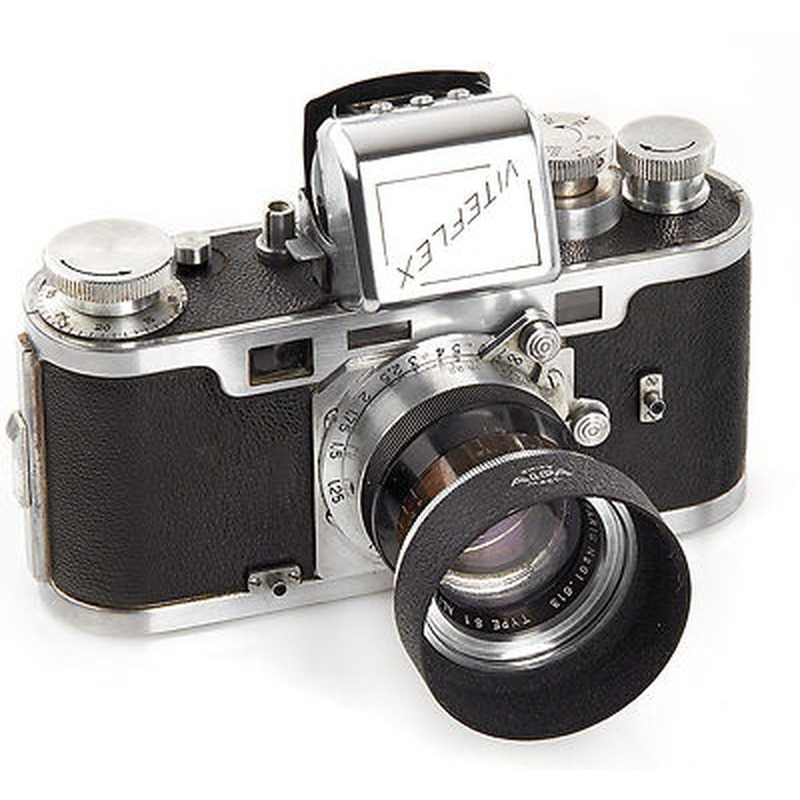
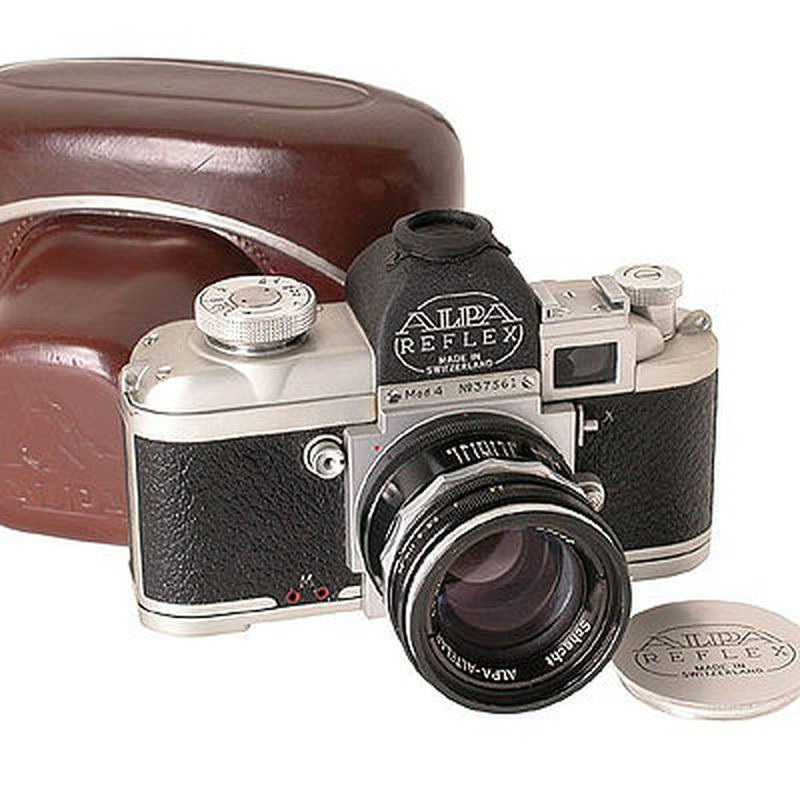
Alpa Reflex III (Prisma)
Alpa · Switzerland · 1948–1952 (4 years) · 135 film
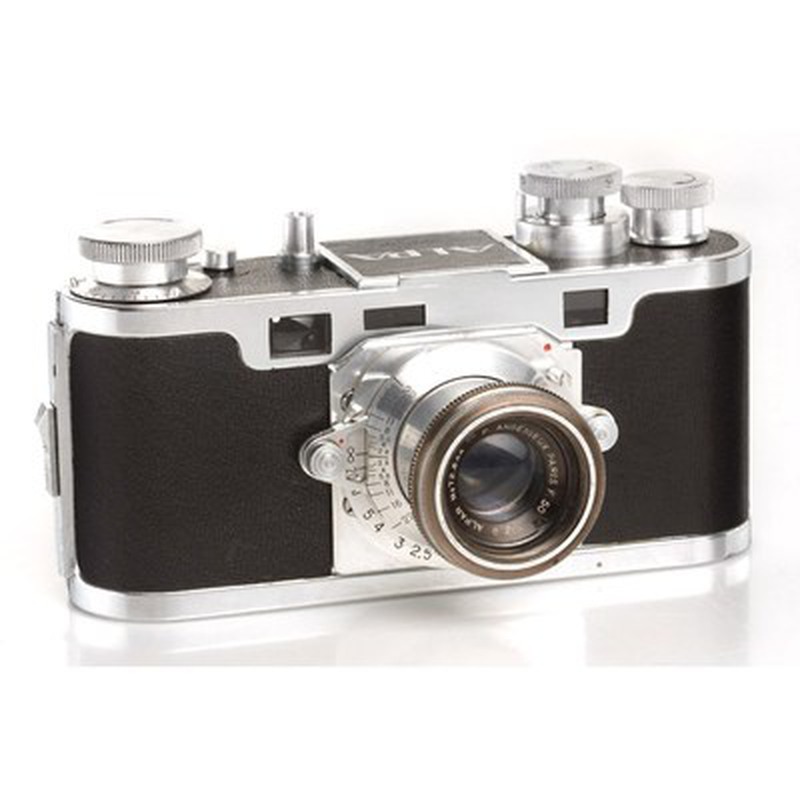
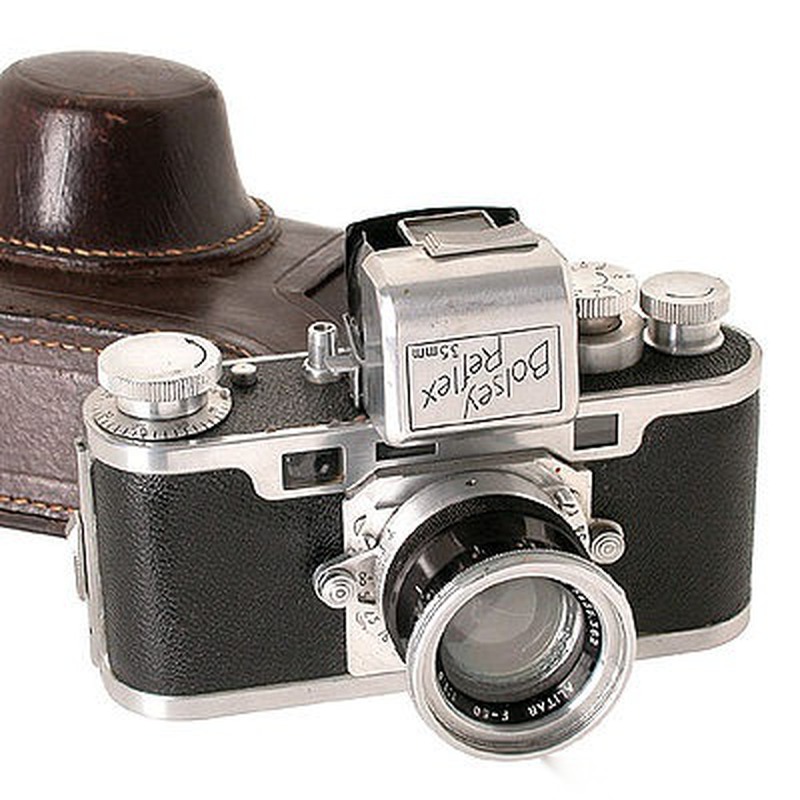
The Alpa Reflex III (Prisma) represents a significant but not revolutionary entry in the post-war 35mm SLR market from the renowned Swiss manufacturer. Produced from 1948 to 1952, it featured a focal-plane shutter with speeds up to 1/1000s and a ground-glass focusing screen, typical of its era. The camera employed the innovative interchangeable bayonet lens mount, a hallmark of Alpa's design philosophy allowing users to adapt the system to various needs, including wide-angle and telephoto lenses. Its construction reflected Swiss precision engineering, utilizing high-quality materials like brass and aluminum, resulting in a robust and meticulously finished body. While sharing some lineage with the earlier Alpa Standard series and serving as a precursor to the more famous Alpa 11 series, the Reflex III Prisma occupied a niche position characterized by exceptional build quality and mechanical reliability rather than widespread adoption or groundbreaking innovation. It appealed to discerning photographers seeking a durable, well-crafted alternative to the dominant German and Japanese SLRs of the time.
The camera's key strengths lay in its inherent sturdiness and the flexibility of its modular lens system. The bayonet mount provided quick and secure lens changes, while the robust build quality ensured longevity, even if its design lacked the ergonomic refinements of later models. The inclusion of the "Prisma" designation, likely referring to the focusing screen or pentaprism option (though details are scarce), highlights Alpa's attention to critical viewing needs. Despite its technical competence and superior construction, the Alpa Reflex III Prisma did not achieve the market penetration or iconic status of contemporaries like the Contax S or the early Asahiflex. Its significance is more regional and collector-focused, representing a high-quality, precision-built Swiss alternative during the formative years of the 35mm SLR format.
Specifications
| Film Format | 135 |
 Enjoy this museum? Support on Ko-fi