Pricing
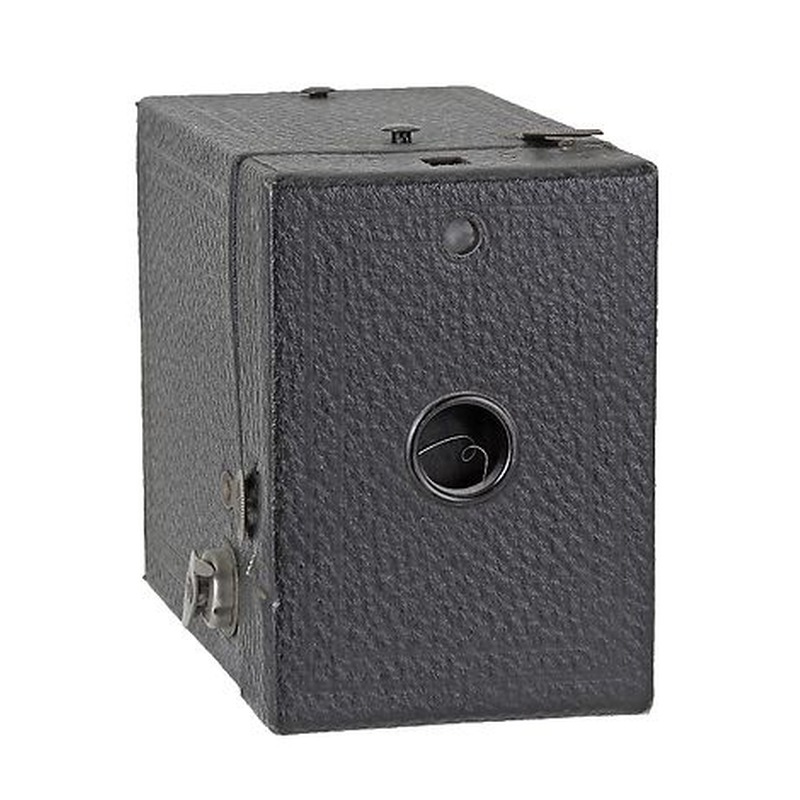
Kodak Hawk-Eye No.2
Kodak · USA · 1913 · 135 film
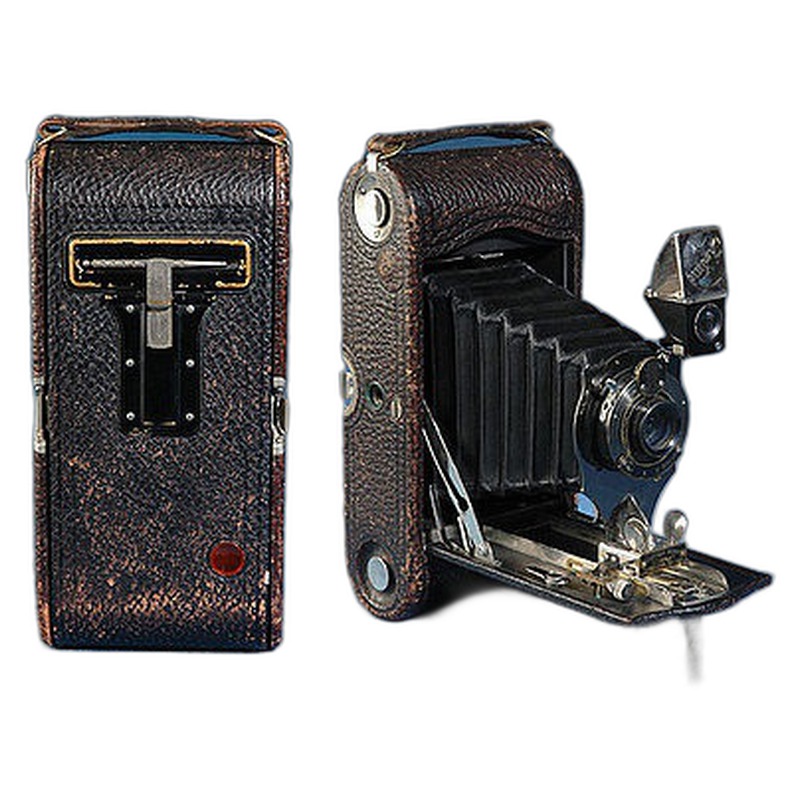
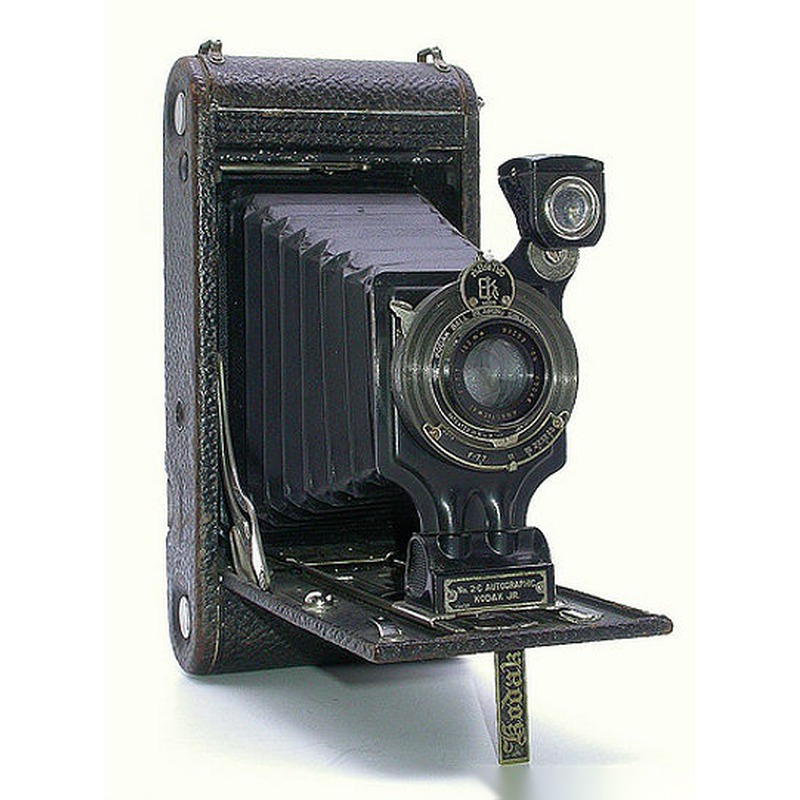
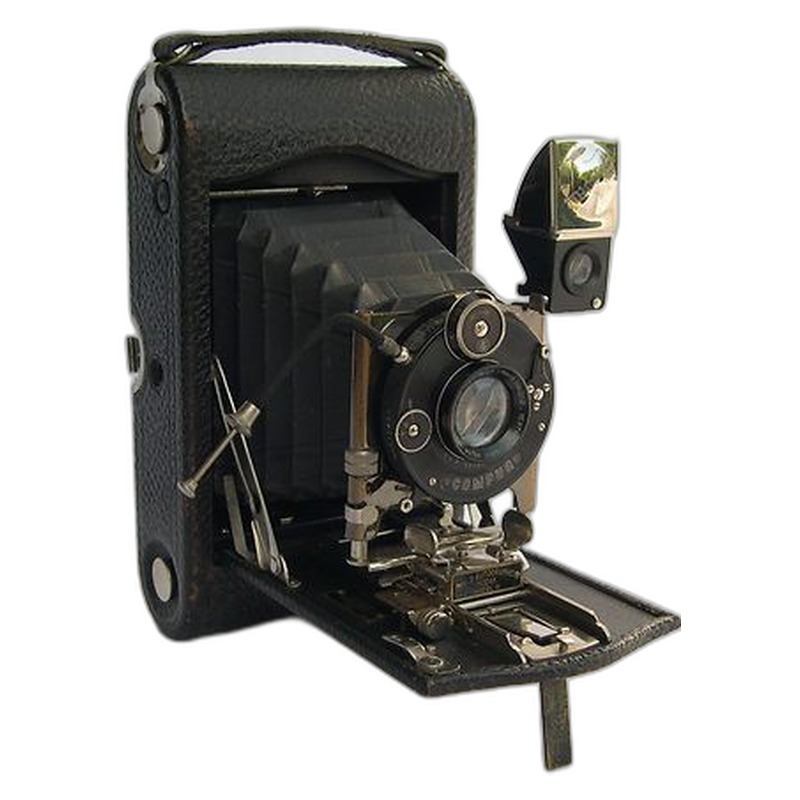
The Kodak Hawk-Eye No.2, introduced in 1913, represents a significant but early stage in Kodak's exploration of the 35mm format. Designed as a simple box camera, it aimed to make 35mm photography accessible to amateur consumers during a period when larger formats dominated the market. Constructed primarily from lightweight materials like wood and cardboard, it utilized the basic box camera principle: a simple lens, a rudimentary shutter mechanism, and a roll film back. Its introduction predated the groundbreaking Leica I by over a decade, positioning it as Kodak's first attempt at a compact, snapshot-oriented 35mm camera, though it lacked the precision engineering and interchangeable lens capabilities that would later define the format.
While innovative in offering 35mm portability to the Kodak consumer base, the Hawk-Eye No.2 remained a straightforward, utilitarian device. Its historical importance lies as a pioneering 35mm model by a major manufacturer, paving the way for future developments. However, its technical limitations—fixed lens, minimal controls, and basic construction—meant it did not achieve widespread acclaim or become a benchmark for camera design. It serves as a tangible artifact reflecting Kodak's early strategy to miniaturize photography and experiment with smaller formats, holding interest for historians as a bridge between the era of roll-film box cameras and the coming revolution of precision 35mm miniature cameras.
Specifications
| Film Format | 135 |
 Enjoy this museum? Support on Ko-fi