/main.jpg)
Pricing
Houghton Folding Ensign (oblong)
Houghton · UK · 1911 · 135 film
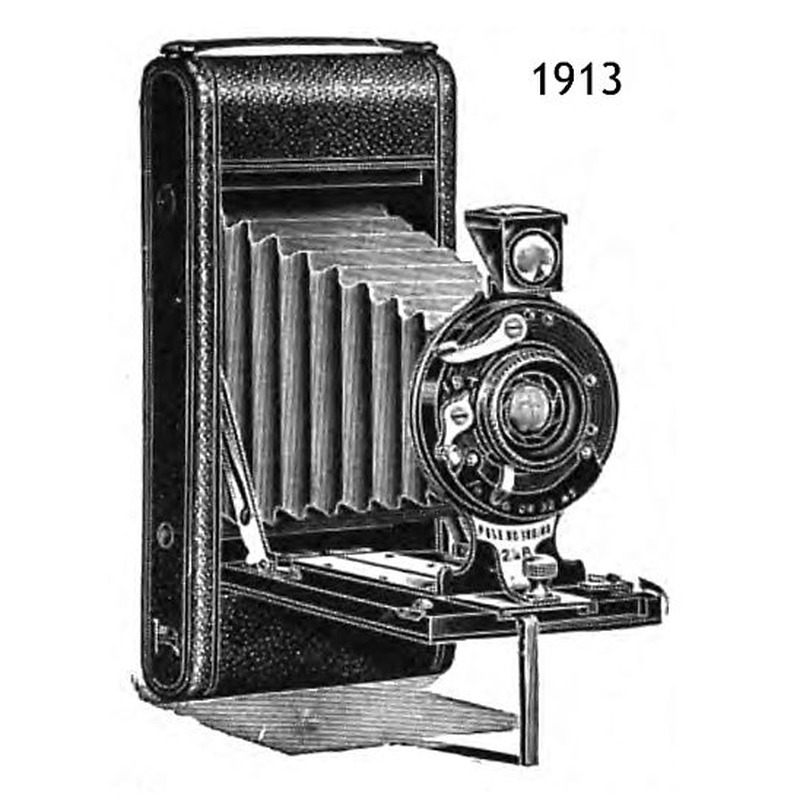
The Folding Ensign (oblong) by Houghton, introduced in 1911, represents one of the earliest attempts at creating a 35mm still camera, predating the commercially successful Leica by over a decade. As an early entry in what would become the dominant format for photography, this folding camera holds notable historical significance. The "oblong" designation suggests a distinctive rectangular design that differed from the typical cameras of the era, potentially offering a unique user experience. Houghton, a British camera manufacturer known for quality optics, likely targeted this camera at professional or serious amateur photographers seeking a portable yet capable system.
While details about specific features are limited, the camera's use of the 135 format indicates forward-thinking design in an era when most cameras used larger format film. The introduction of a 35mm camera in 1911 demonstrates Houghton was experimenting with miniaturization years before it became mainstream. As one of the earliest practical attempts at a 35mm still camera, the Folding Ensign (oblong) occupies an important place in the evolution of photographic technology, representing a transitional moment between large format plate cameras and the portable film cameras that would eventually dominate the market.
Specifications
| Film Format | 135 |
/main.jpg)
/main.jpg)
/main.jpg)
/main.jpg)
/main.jpg)
 Enjoy this museum? Support on Ko-fi