/main.jpg)
Pricing
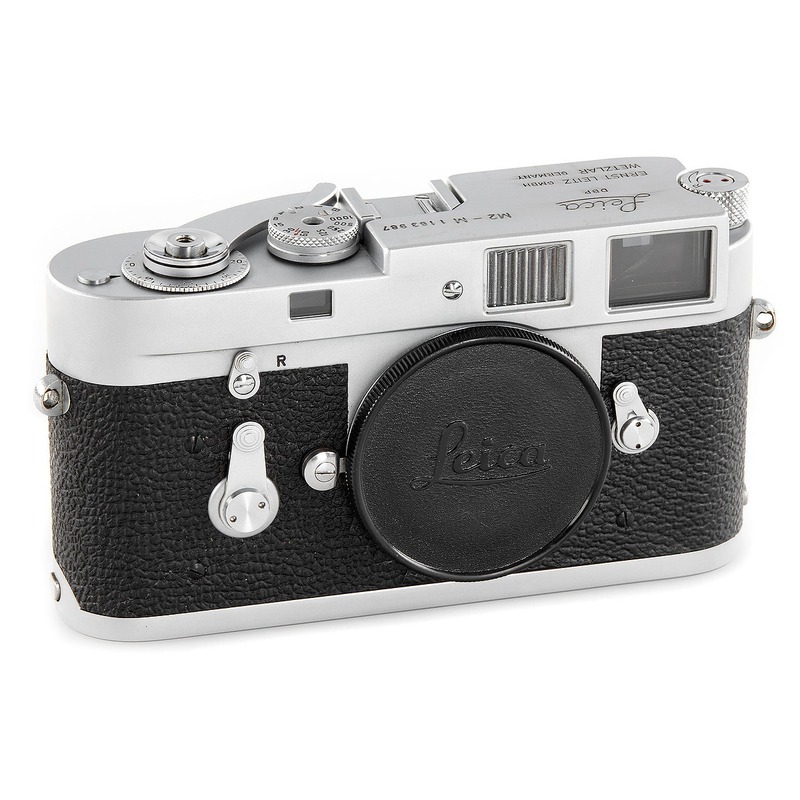
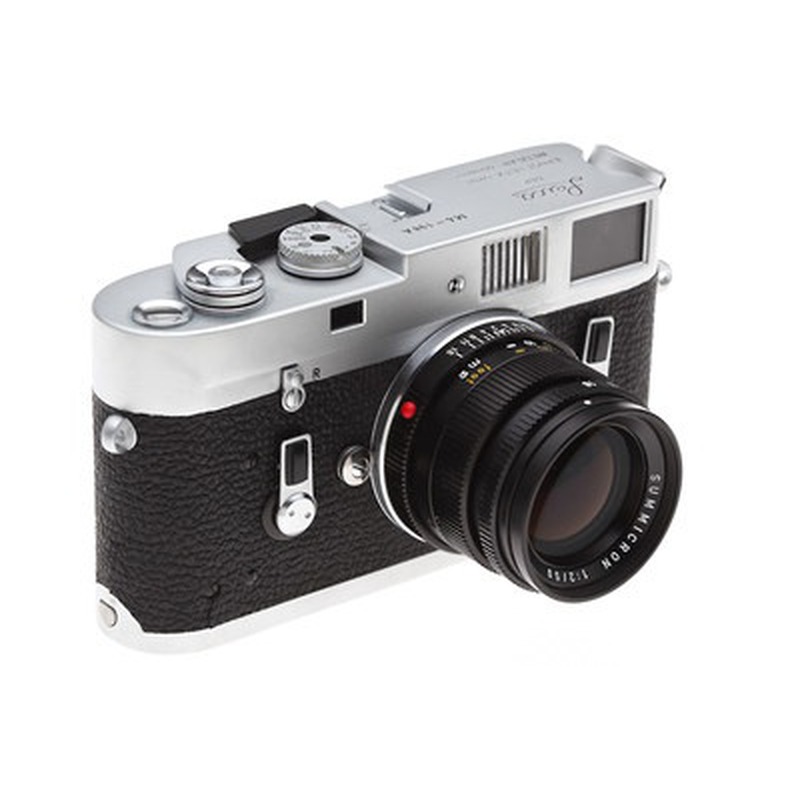
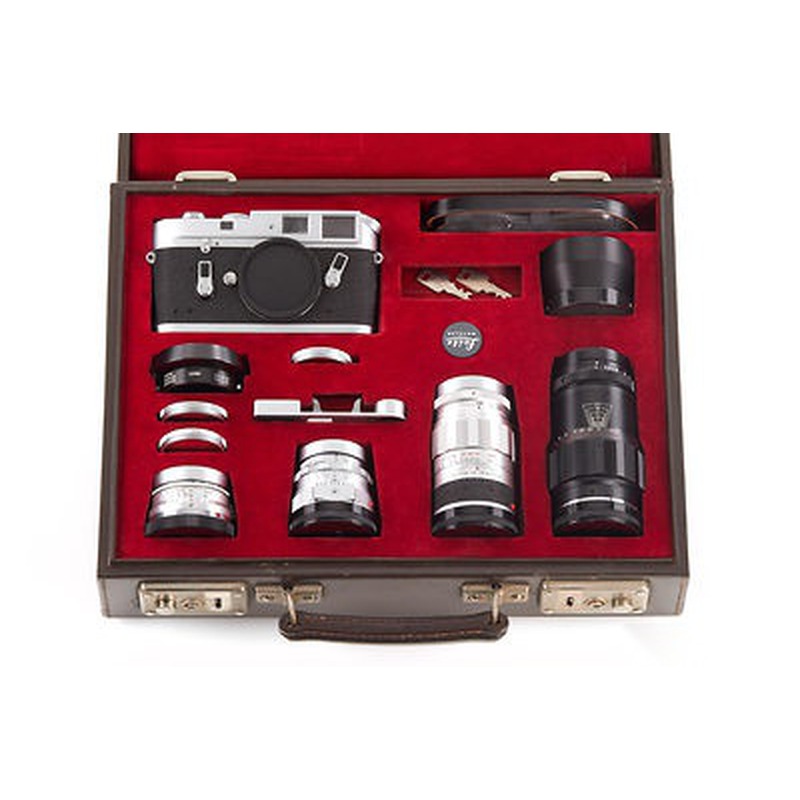
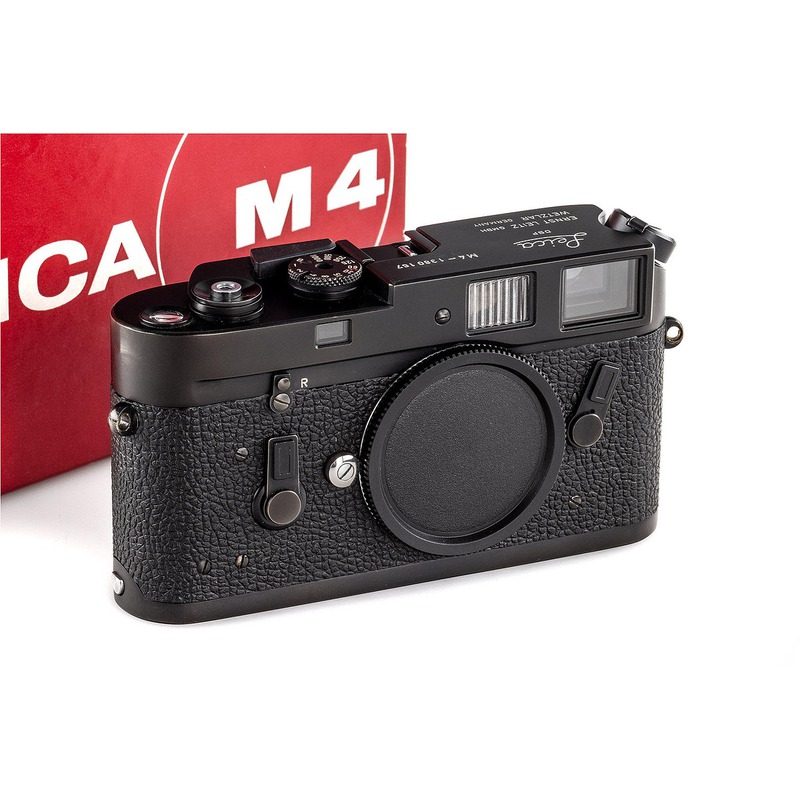
Leica M4 MOT (M4-M, Leicavit MP)
Leica · Germany · 1967–1975 (8 years) · 135 film
Introduced in 1967 and produced until 1975, the Leica M4 MOT (also known as the M4-M or Leicavit MP) represents a pivotal evolution in Leica's legendary M series rangefinder line. Developed as a successor to the iconic M3, the M4 addressed key ergonomic and functional shortcomings of its predecessor while retaining the core precision engineering and build quality synonymous with Leica. Its primary innovation was the inclusion of the Leicavit MP rapid winder linkage on the camera base, enabling significantly faster film advance—crucial for candid and journalistic work—without the need for an external motor drive. This integrated design, coupled with a revised and brighter viewfinder system offering frame lines for 28mm, 35mm, 50mm, 90mm, and 135mm lenses (compared to the M3's 50mm, 90mm, 135mm), made it a highly versatile and practical tool for professionals. The M4 also introduced a frame counter visible through the window even without a lens mounted, a feature later adopted across the M system.
Beyond its technical refinements, the M4 MOT embodies the peak of Leica's mechanical M rangefinder era. Its construction, utilizing high-quality materials like brass and chrome plating over a durable chassis, exemplifies the "no-compromise" build quality Leica is renowned for, resulting in cameras renowned for their longevity and reliability. It gained immediate popularity among photojournalists, street photographers, and documentary makers for its quiet operation, precise rangefinder focusing, and unobtrusive nature. Henri Cartier-Bresson, the quintessential Leica user who famously declared "The picture is there, and you don't have to arrange it," worked extensively with M4s during this period, cementing its status as the camera of choice for the "decisive moment" practitioners. The M4 MOT variant, essentially a standard M4 finished in a distinctive matte black paint (M4-M) or featuring the Leicavit MP base linkage (Leicavit MP), remains a highly respected benchmark for Leica rangefinder design and represents a crucial bridge between the classic M3 and the later M5 and M6.
Specifications
| Film Format | 135 |
/main.jpg)
/main.jpg)
 Enjoy this museum? Support on Ko-fi