Pricing
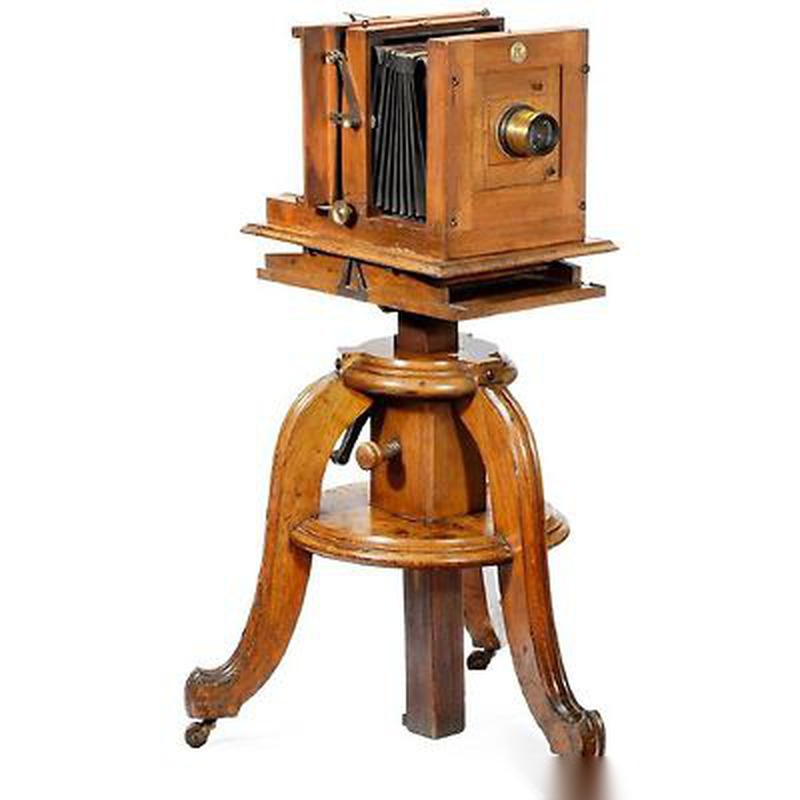
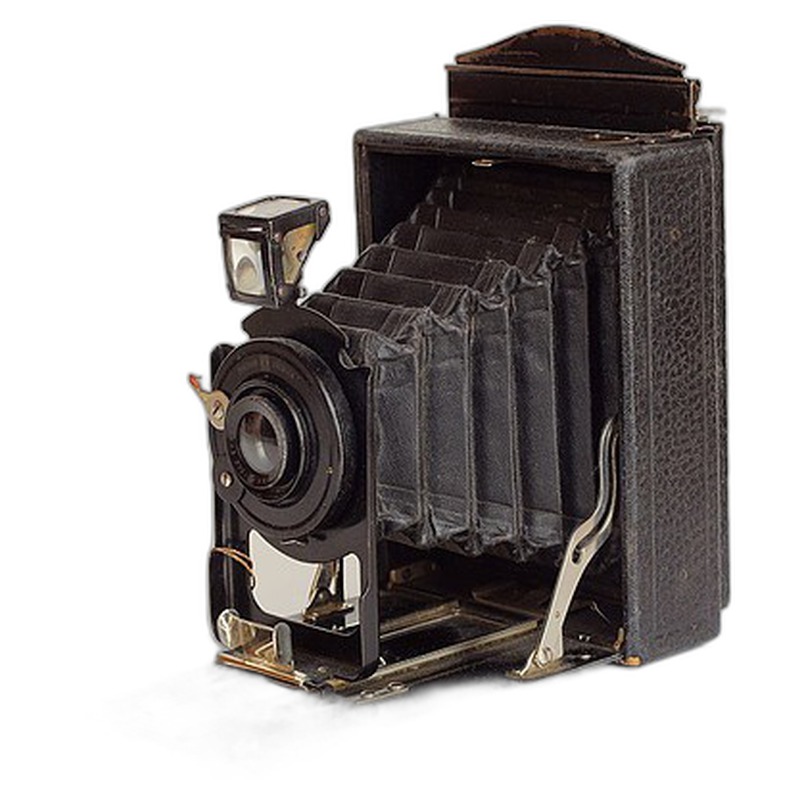
Ernemann Globus Salon-camera
Ernemann · Germany · 1914–1918 (4 years) · 135 film
Produced by Ernemann between 1914 and 1918, the Globus Salon-camera is a significant early example of a 35mm camera, predating the widespread commercialization of the format by Leica in the 1920s. Utilizing the then-novel 35mm perforated cine film, it represents an important transitional step in reducing the bulk and cost of photography by adopting a smaller frame format. The camera likely featured a compact, folding body typical of medium-format cameras adapted for smaller film, incorporating a simple viewfinder and a focal-plane shutter or similar mechanism appropriate for the era. Its production coincided with World War I, potentially limiting its distribution and impact despite its technical foresight in embracing the 35mm format.
As an early pioneer in 35mm photography, the Globus Salon-camera holds a notable place in the evolution towards miniature cameras, even if its specific model details are not widely documented today. Its design aimed to provide a portable option for serious amateurs or professionals, leveraging the smaller format for increased convenience and reduced film costs. While lacking the groundbreaking innovations and market success of later icons like the Leica I, the Globus Salon-camera embodies the experimental phase that ultimately led to the dominance of 35mm in the 20th century, marking Ernemann as an early participant in this crucial technological shift.
Specifications
| Film Format | 135 |

/main.jpg)
/main.jpg)
/main.jpg)
/main.jpg)
 Enjoy this museum? Support on Ko-fi