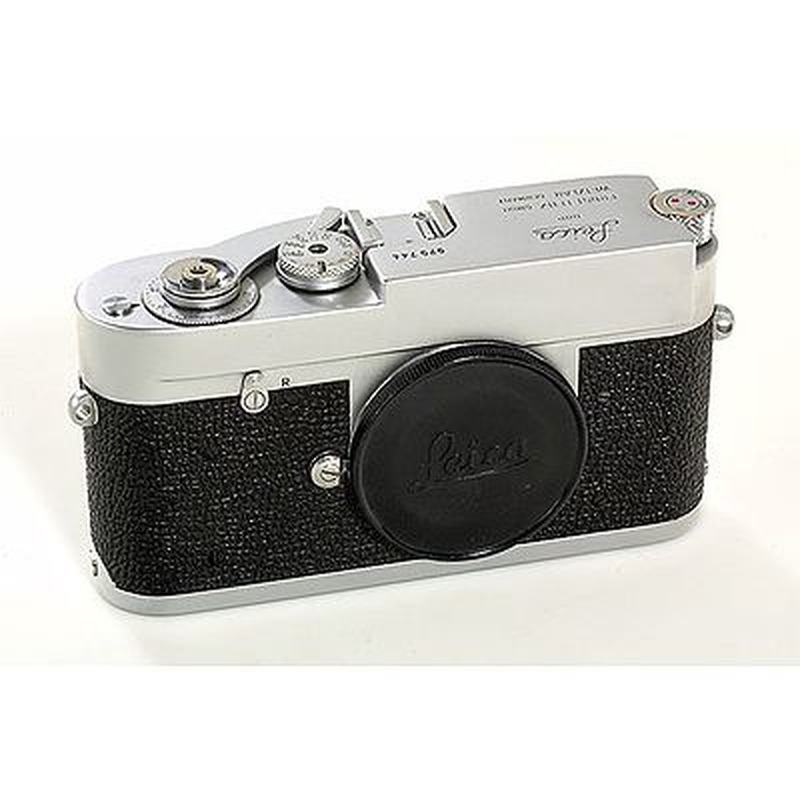
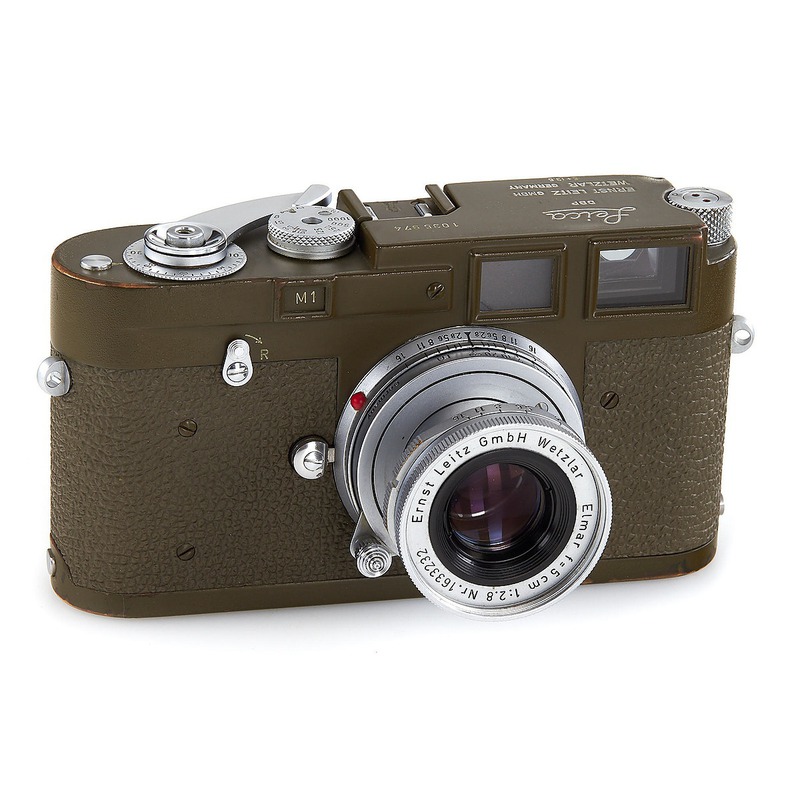
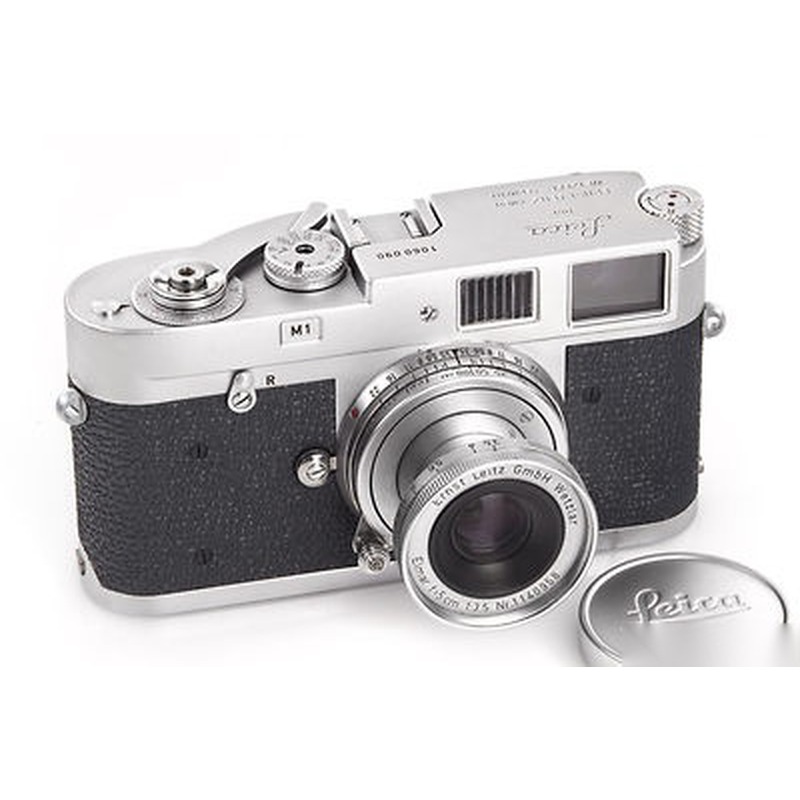
Leica M1 no Type
Leica · Germany · 1959–1964 (5 years) · 135 film
The M1 no Type represents Leica's attempt to create a more affordable entry point into their prestigious rangefinder system during the late 1950s and early 1960s. Essentially a simplified variant of the groundbreaking M3, the M1 omits the coupled rangefinder frame lines for lenses wider than 50mm, instead featuring a single, bright frame for the 50mm lens. It retains the robust magnesium alloy body and excellent viewfinder/rangefinder combination of the M3, core to Leica's reputation, but with a more basic top plate lacking a self-timer and a simplified film advance mechanism. This stripped-down approach made it significantly cheaper than the full-featured M3, targeting photography students, photojournalists on tighter budgets, and professionals needing a reliable second body who didn't require the frame line versatility. Its production from 1959 to 1964 coincided with the peak era of 35mm reportage and documentary photography.
While lacking the innovative multi-frame finder or the iconic status of its M3 sibling, the M1 no Type is a testament to Leica's commitment to quality and reliability within a constrained design brief. It offers the core shooting experience and build integrity expected of the M system at a more accessible price point. Its existence highlights Leica's strategy to cater to a broader market segment beyond the elite professional, ensuring the rangefinder system's visibility and accessibility during a competitive period for 35mm cameras. It embodies the utilitarian, no-frills ethos sometimes required in demanding photographic environments.
Specifications
| Film Format | 135 |
/main.jpg)
 Enjoy this museum? Support on Ko-fi