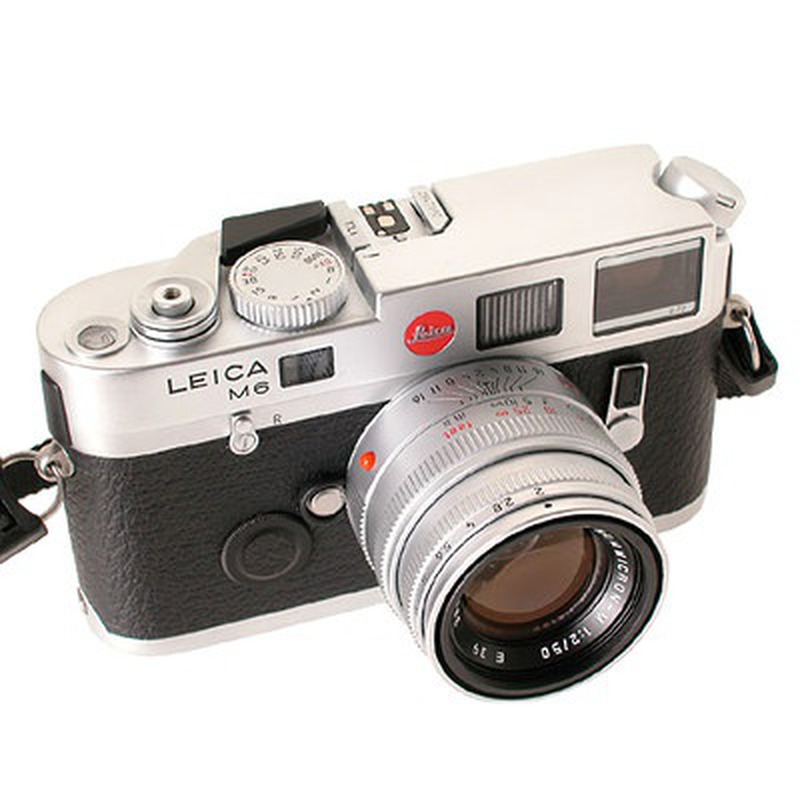
Leica M6 TTL .72 chrome
Leica · Germany · 1998–2002 (4 years) · 135 film
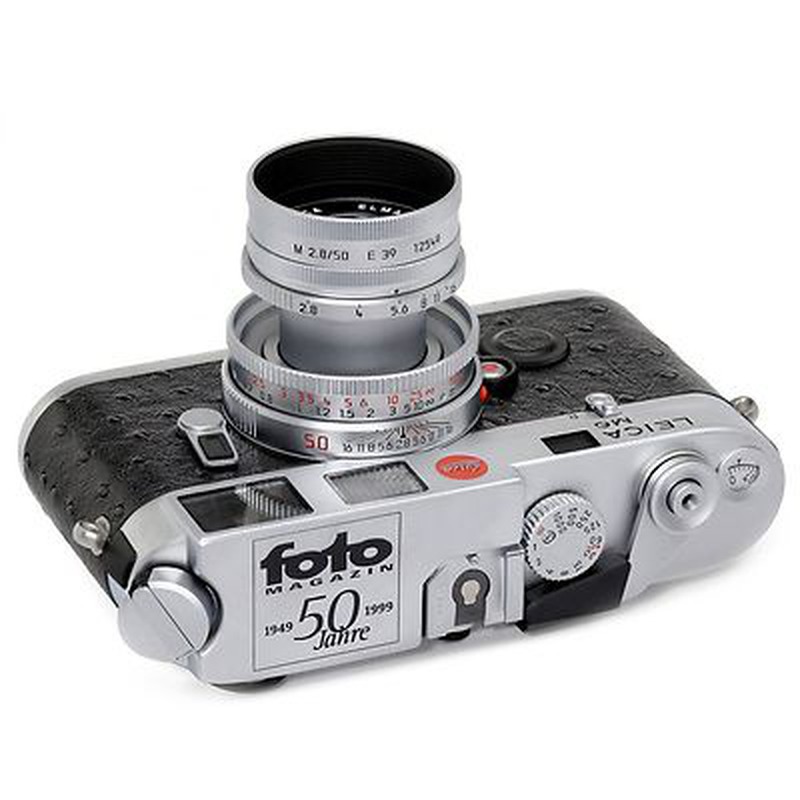
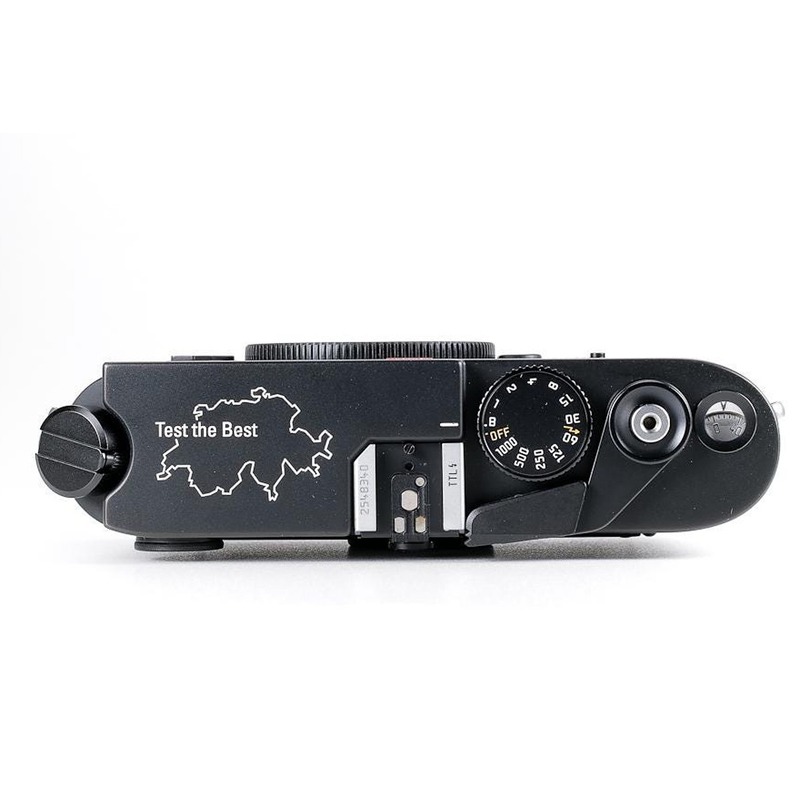
The Leica M6 TTL represents the pinnacle of traditional 35mm rangefinder camera design, marking the final evolution of Leica's legendary M series before the introduction of electronic components. Introduced in 1998 as an updated version of the original M6 (launched in 1984), the TTL (Through-The-Lens) model incorporated a more advanced light metering system that measured light through the lens rather than relying on selenium cells. This refinement, combined with the camera's impeccable mechanical construction, solidified the M6 TTL's status as a professional tool for discerning photographers who valued reliability and precision in a fully mechanical package. The .72 viewfinder magnification made it particularly well-suited for wide-angle to normal lenses, making it a versatile choice for photojournalists, street photographers, and documentary makers.
The M6 TTL's design embodied the classic Leica aesthetic with its solid brass body covered in chrome plating, creating a camera that was both robust and elegant. Its rangefinder focusing system offered exceptional accuracy, while the shutter curtain made from titanium provided durability and reliability. The camera featured a horizontally traveling focal plane shutter with speeds from 1 to 1/1000 second plus B, all mechanically controlled without batteries (though the light meter required a 1.5V battery). Despite its relatively short production run from 1998 to 2002, the M6 TTL became a favorite among photographers including Henri Cartier-Bresson, who continued to use Leica rangefinders throughout his career, and many contemporary photojournalists who valued its quiet operation, unobtrusive nature, and exceptional image quality.
Specifications
| Film Format | 135 |
/main.jpg)
 Enjoy this museum? Support on Ko-fi