Pricing
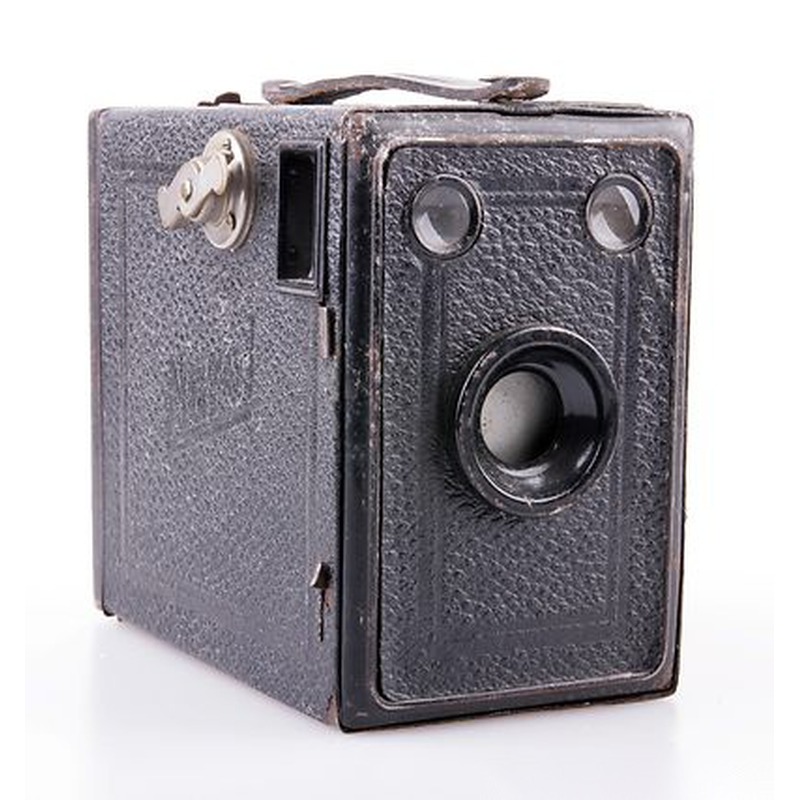
Balda Narol
Balda · Germany · 1932 · 135 film
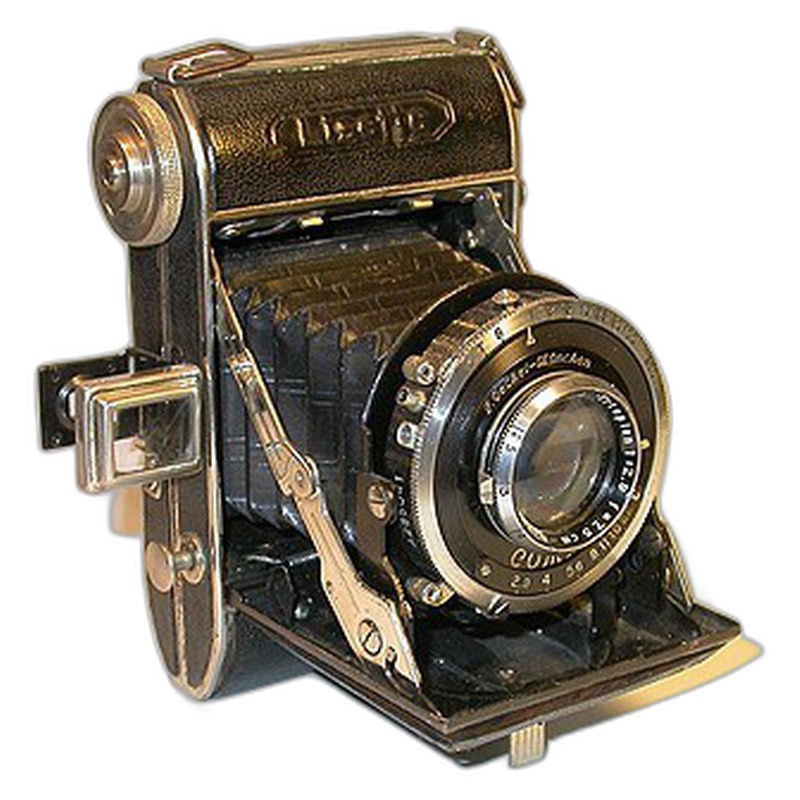
The Narol represents Balda's early entry into the burgeoning 35mm still camera market in 1932. Designed as a compact and relatively affordable option for amateur photographers, it utilized the standard 135 cassette film format pioneered by earlier Leica models. The camera featured a basic but functional design, typically equipped with a focal plane shutter or more commonly a Compur-type leaf shutter, offering reasonable synchronization for flashbulbs. Viewers were likely through a simple finder, lacking the rangefinder precision of more sophisticated contemporaries. Its construction focused on usability for its time, prioritizing portability and accessible operation over complex features, fitting Balda's established reputation for producing well-engineered, mid-range German cameras before the war.
While not groundbreaking in its technology, the Narol holds significance as a representative example of early 35mm cameras made by a respected European manufacturer outside the dominant Leica sphere. It demonstrates the industry's expansion beyond the high-end market in the early 1930s, targeting a broader segment of enthusiasts seeking a modern, compact camera solution. Its existence highlights Balda's adaptation to the new format and their contribution to the popularization of miniature cameras during a formative period in 35mm photography history. Today, it serves as a tangible piece documenting the era's camera technology and market diversity.
Specifications
| Film Format | 135 |
/main.jpg)
 Enjoy this museum? Support on Ko-fi