Pricing
Leica M4-2
Leica · Germany · 1978–1980 (2 years) · 135 film
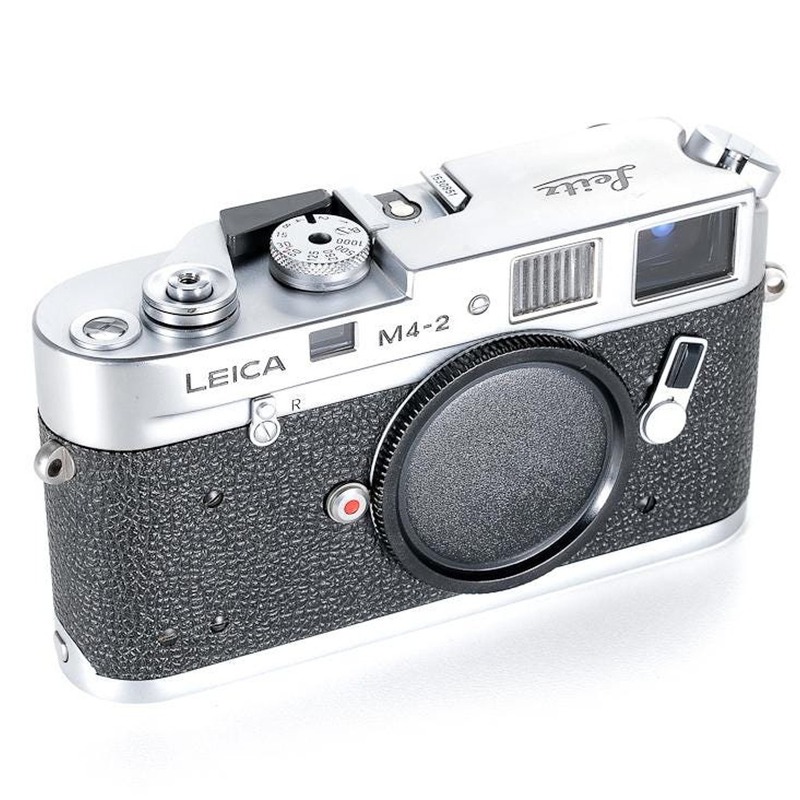
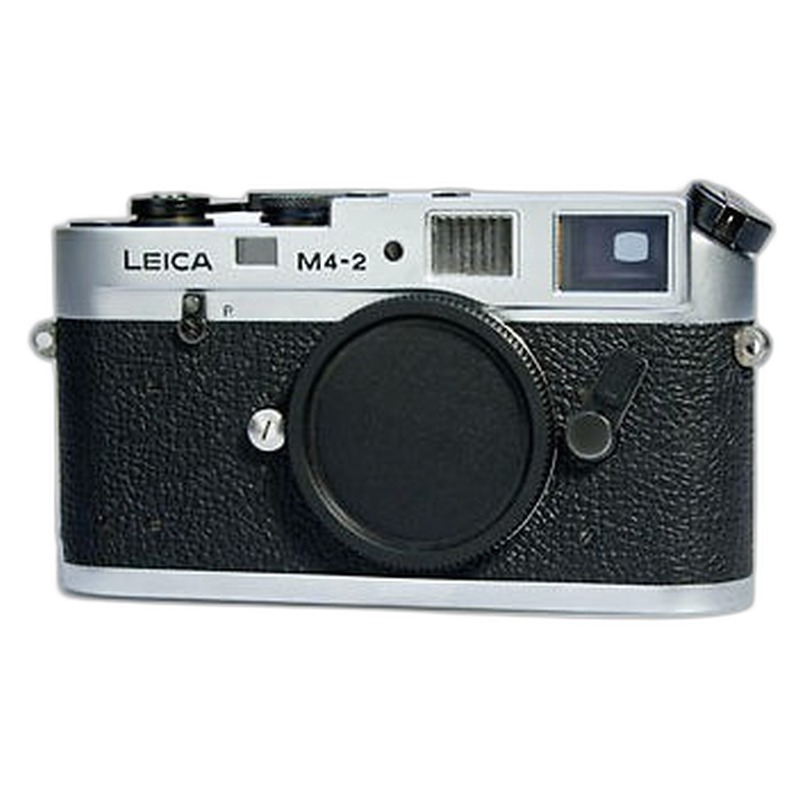
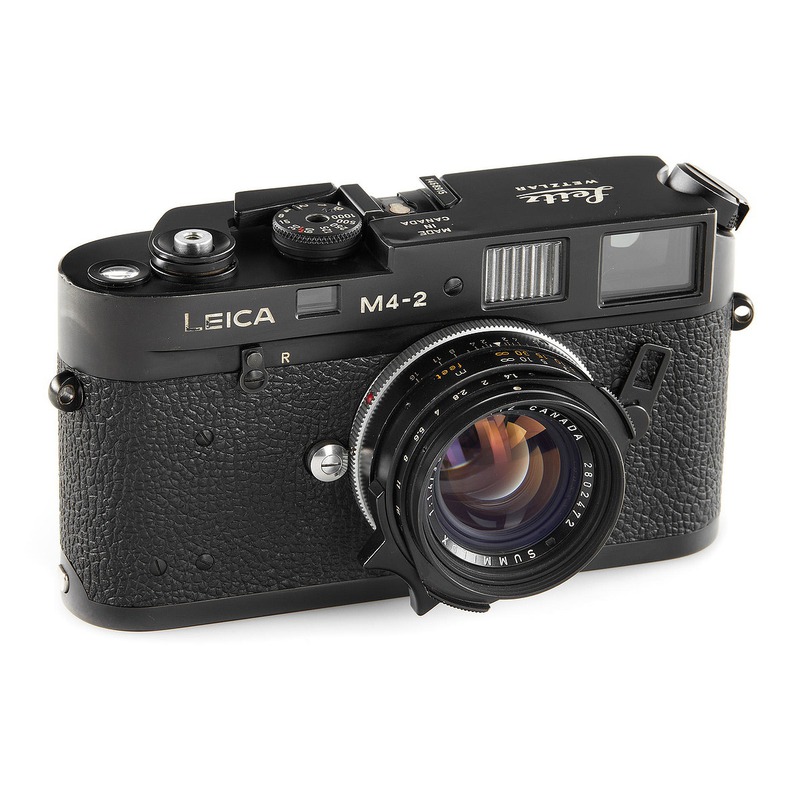
The Leica M4-2 represents a transitional yet significant chapter in the storied history of Leica's rangefinder cameras. Produced from 1978 to 1980 during a challenging period for the company, the M4-2 was essentially a revised version of the acclaimed M4, created with some cost-cutting measures to maintain production viability while preserving the core functionality that made the M series legendary. Despite these changes, the camera retained Leica's renowned build quality and the precision rangefinder system that had been refined over decades. It served as a crucial bridge between the classic M4 and the later M4-P and M6, helping to keep the M-series alive during Leica's financial restructuring in the late 1970s. The M4-2 maintained compatibility with Leica's celebrated M-mount lenses, which had become a standard among professional and enthusiast photographers seeking the optical excellence associated with Leica glass.
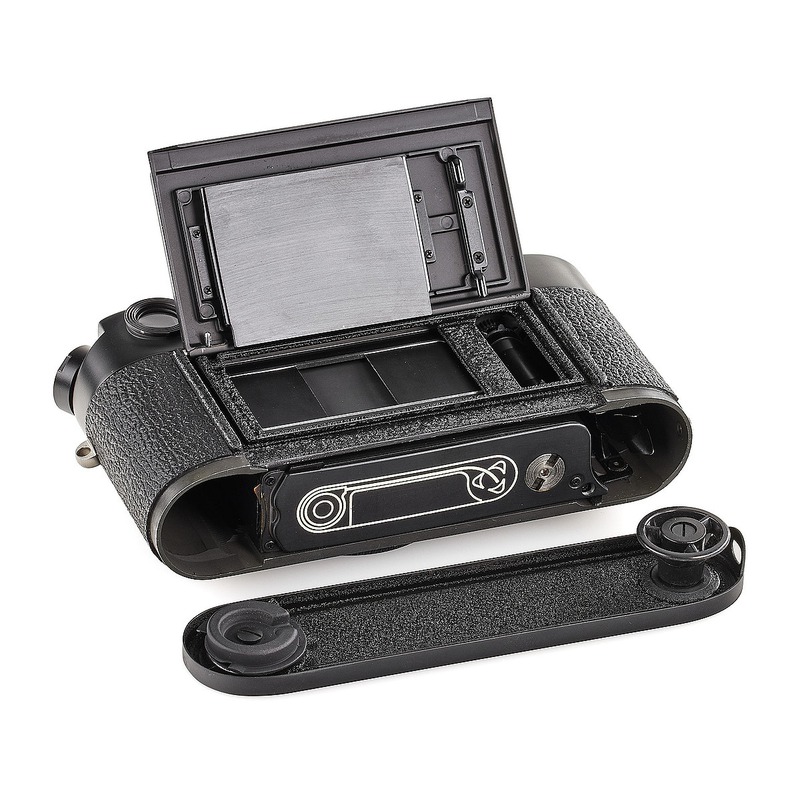
The M4-2 inherited the M4's basic design philosophy but introduced several subtle changes, including the removal of the self-timer and frame selector lever found on its predecessor. These modifications were made to simplify production while maintaining the camera's essential functionality. The camera featured a coupled rangefinder with automatic parallax correction and bright framelines for 35mm, 50mm, 90mm, and 135mm lenses. With its mechanical shutter (speeds from 1 to 1/1000 second) and precise construction, the M4-2 continued the Leica tradition of reliable, no-nonsense photography tools that had earned the brand its loyal following. Today, the M4-2 is appreciated by collectors for its place in Leica's evolution and as an affordable entry point into the world of classic Leica rangefinders, offering much of the experience of earlier models at a more accessible price point.
Specifications
| Film Format | 135 |
/main.jpg)
 Enjoy this museum? Support on Ko-fi