/main.jpg)
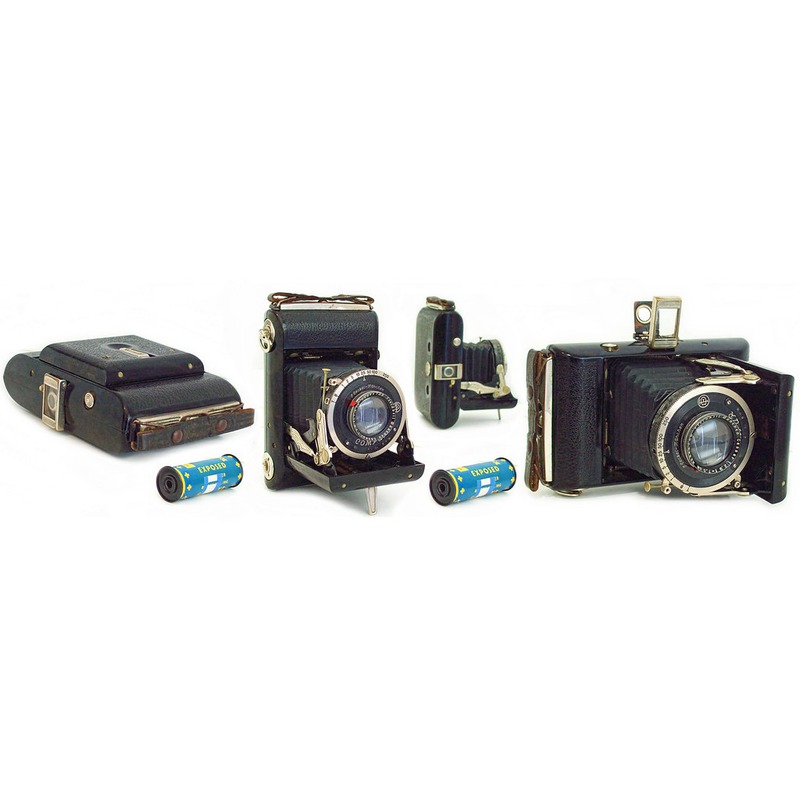
Wirgin Presto (1931)
Wirgin · Germany · 1931–1934 (3 years) · 135 film
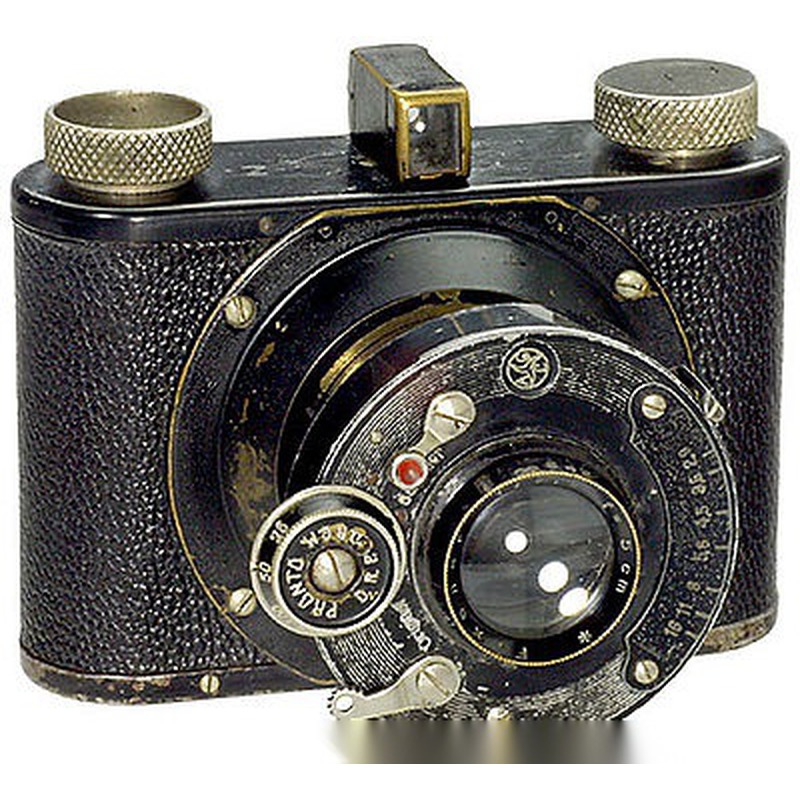
Wirgin's Presto (1931) represents a significant, though not revolutionary, entry into the burgeoning 35mm market during the early 1930s. Produced between 1931 and 1934, it utilized the standard 135 film cartridge that was gaining popularity, positioning Wirgin alongside other European manufacturers seeking to compete with the established Leica. As a camera of its era, the Presto was likely a simple, functional device designed for the amateur photographer, emphasizing affordability and ease of use over sophisticated engineering. Its production run of a few years suggests it found a niche but was not a dominant model, reflecting the competitive landscape of the time. The camera embodies the period where 35mm film was transitioning from the purview of professionals and enthusiasts to a viable option for the broader consumer market.
While specific details about its exact type (likely a viewfinder or rangefinder model) and features are scarce due to its obscure nature, the Presto underscores Wirgin's strategy in the 1930s. The company, based in Wiesbaden, Germany, focused on producing affordable cameras, and the Presto fits this profile. It served as a practical tool for snapshot photography, contributing to the wider adoption of small-format cameras. Though lacking the groundbreaking innovations of contemporaries like the Leica III, the Presto holds a place in the history of 35mm photography as a representative example of the numerous smaller manufacturers striving to offer accessible entry into this new format.
Specifications
| Film Format | 135 |
/main.jpg)
 Enjoy this museum? Support on Ko-fi