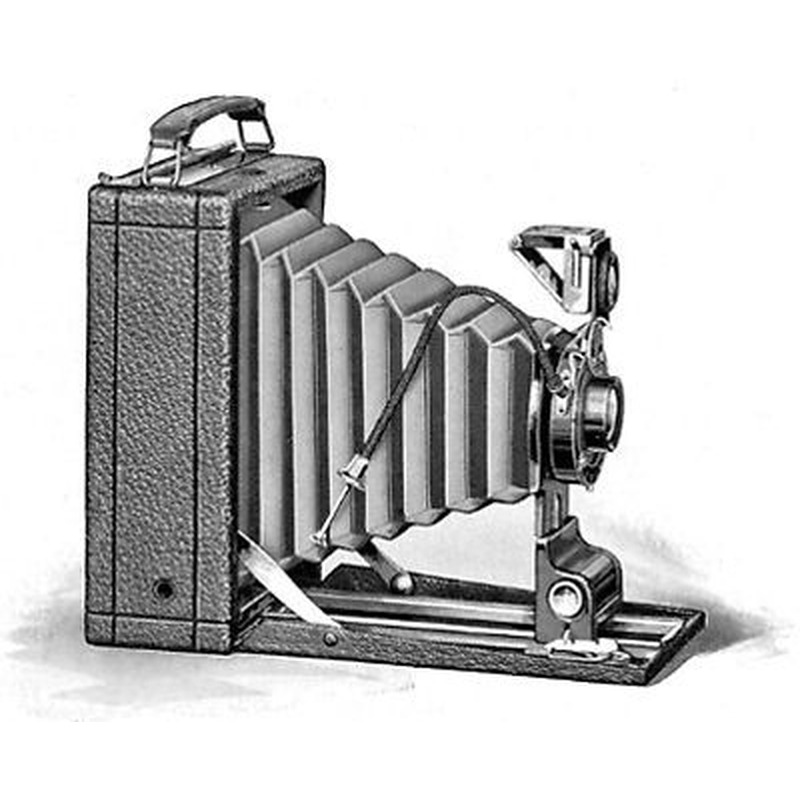
Kodak Premoette Senior
Kodak · USA · 1915–1923 (8 years) · 135 film
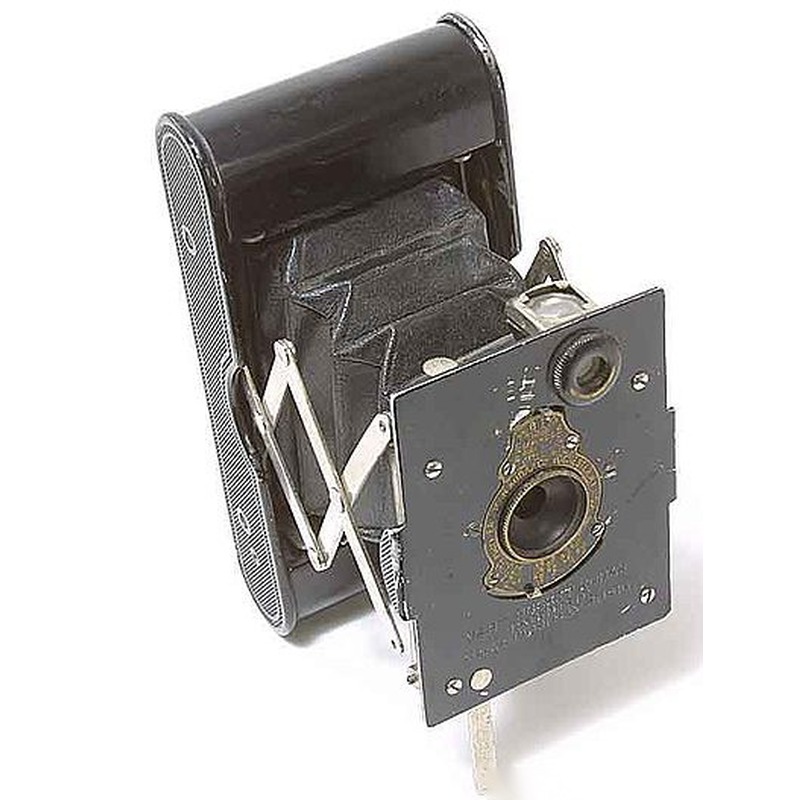
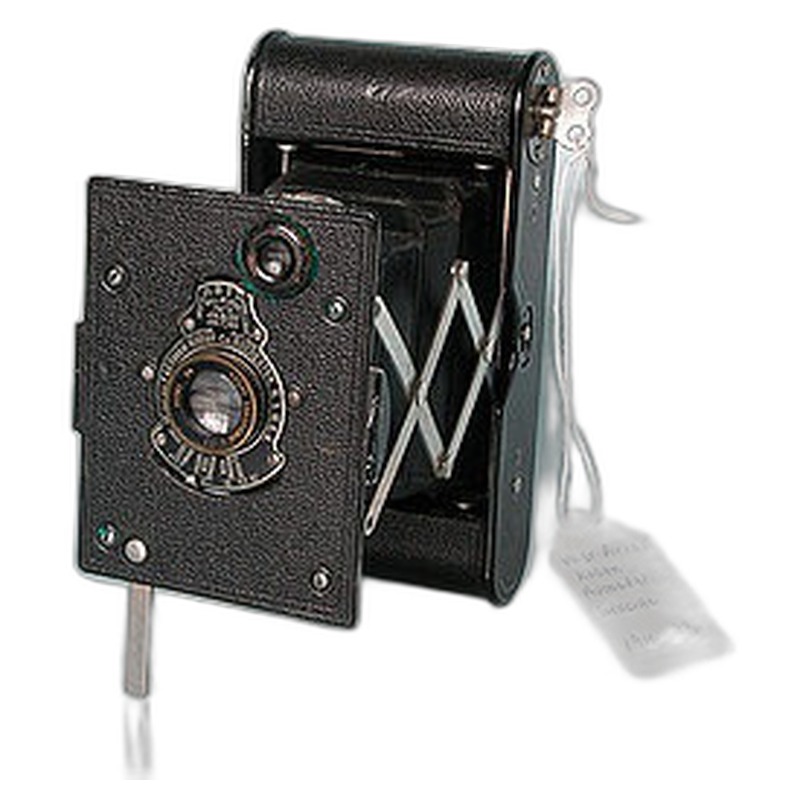
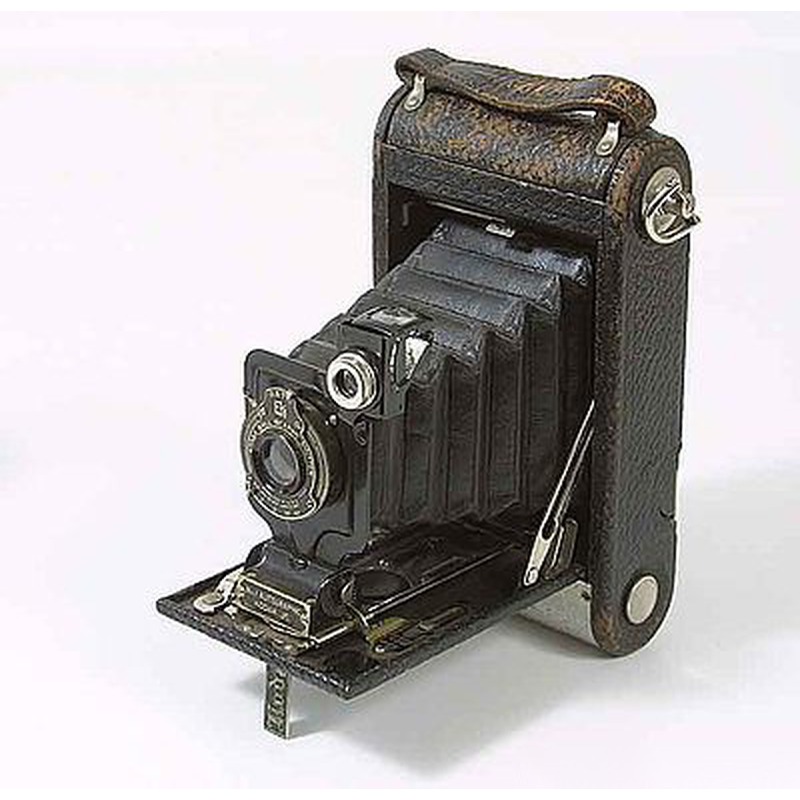
The Premoette Senior represents Kodak's significant early entry into the nascent 35mm film market, produced during a transitional period in photography history (1915–1923). As one of Kodak's first cameras designed specifically for this compact format, it catered to photographers seeking greater portability and lower running costs than bulky glass plate rollfilm cameras. Utilizing standard 135 film (introduced by Kodak for this camera line), it featured a simple, box-like construction typical of Kodak consumer goods of the era, emphasizing accessibility and ease of use over complex features. Its development reflects Kodak's strategy to diversify formats and tap into the growing amateur market, predating the rise of more sophisticated 35mm rangefinders. While not technologically groundbreaking like later Leica models, the Premoette Senior played a crucial role in establishing 35mm film as a viable format for serious amateurs.
Primarily a viewfinder camera, the Premoette Senior offered basic controls suitable for snapshot photography, embodying Kodak's philosophy of making photography simple and affordable for the masses. Its production spanned the First World War and the early post-war years, a time when photography was rapidly evolving towards smaller formats. Although Kodak ultimately shifted focus in the 1920s towards their successful Retina line using 127 film, the Premoette Senior stands as a testament to Kodak's early experimentation and influence in popularizing the 35mm gauge that would eventually dominate photography.
Specifications
| Film Format | 135 |
 Enjoy this museum? Support on Ko-fi