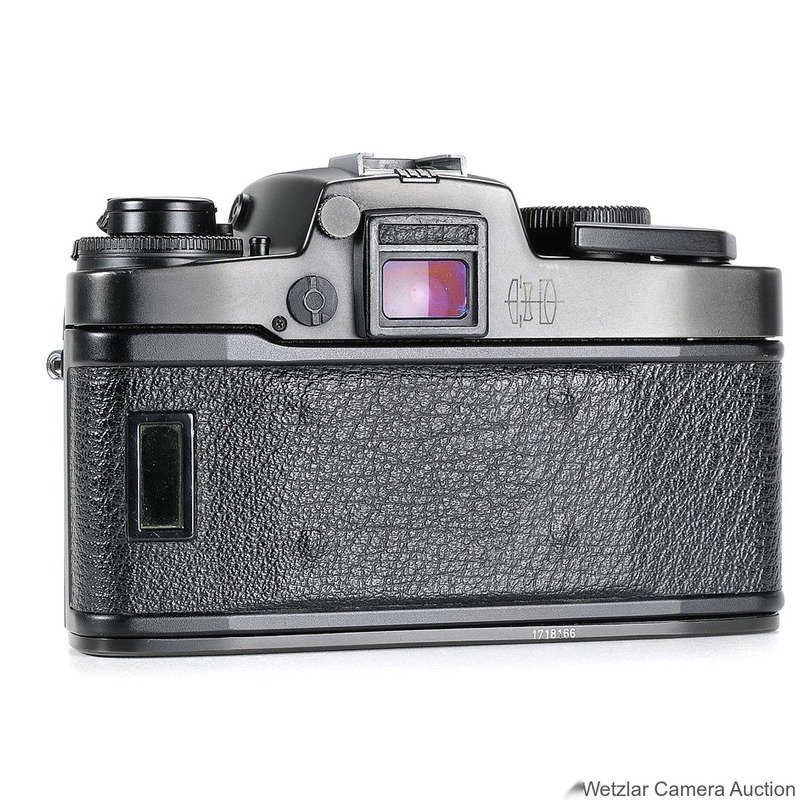
Leica R5G
Leica · Germany · 1987 · 135 film
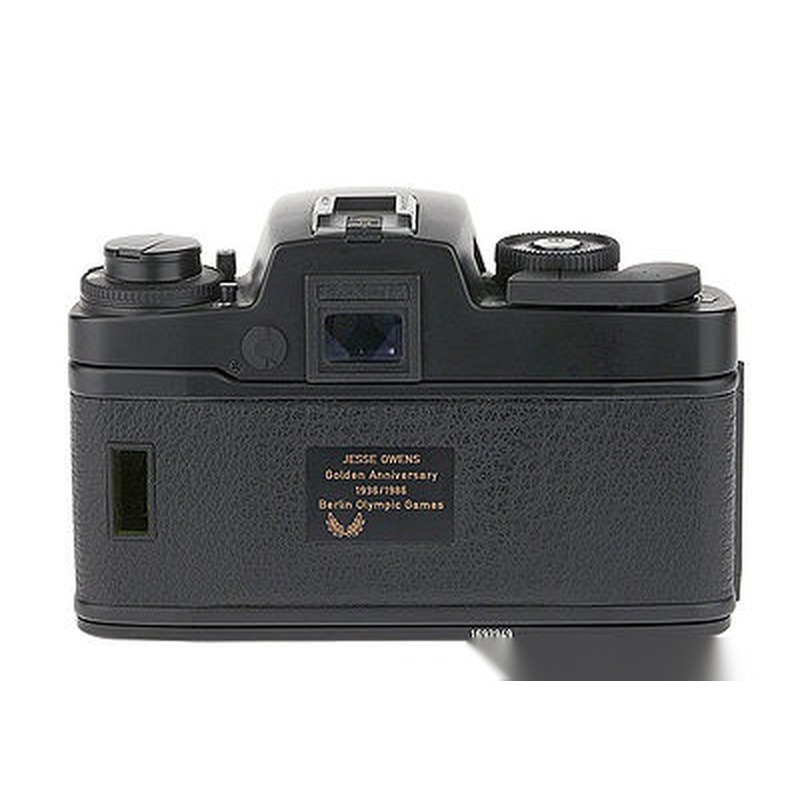
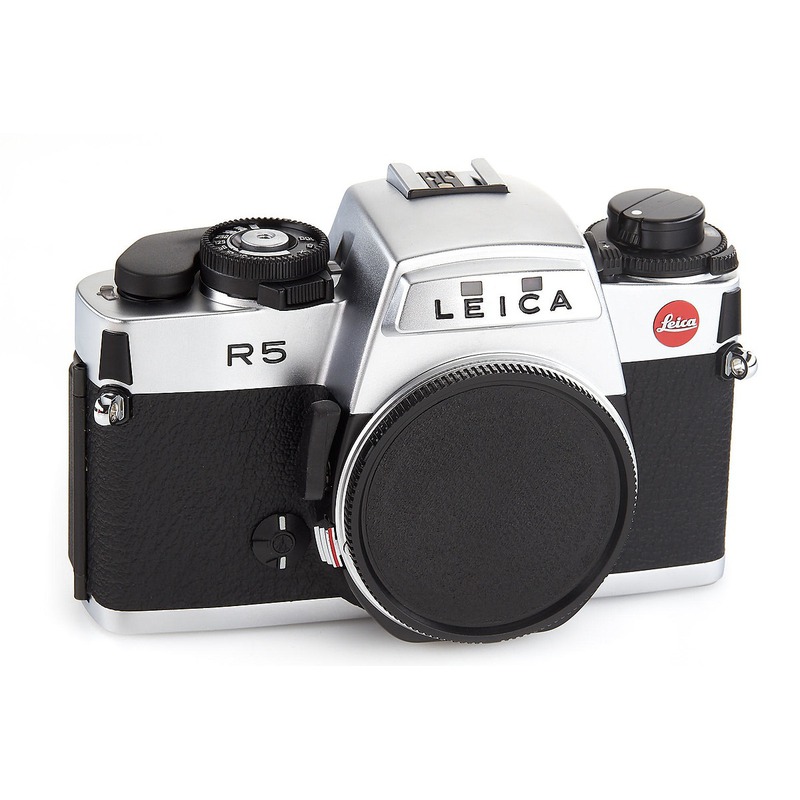
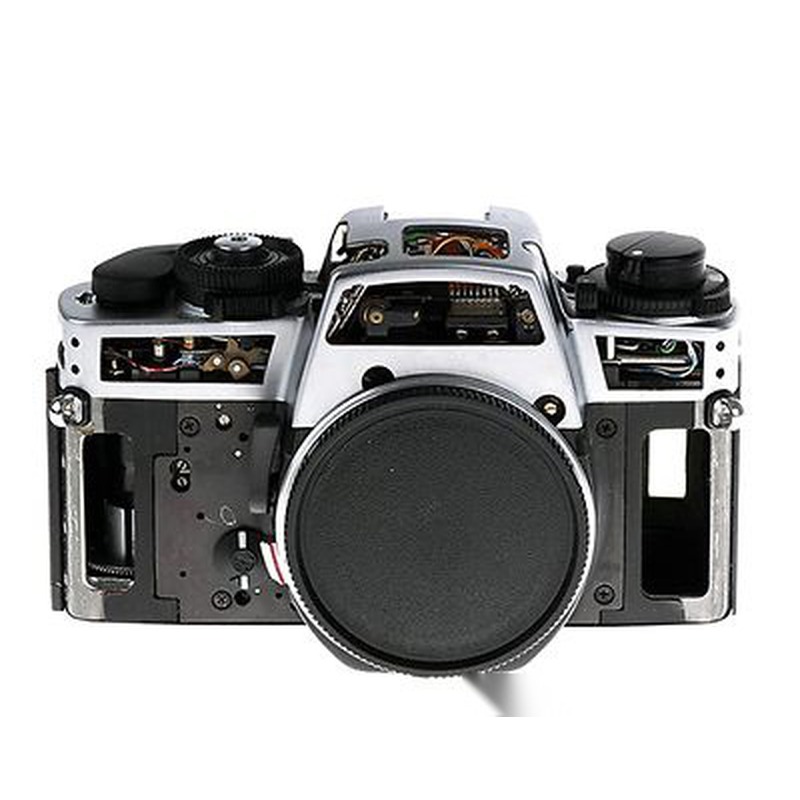
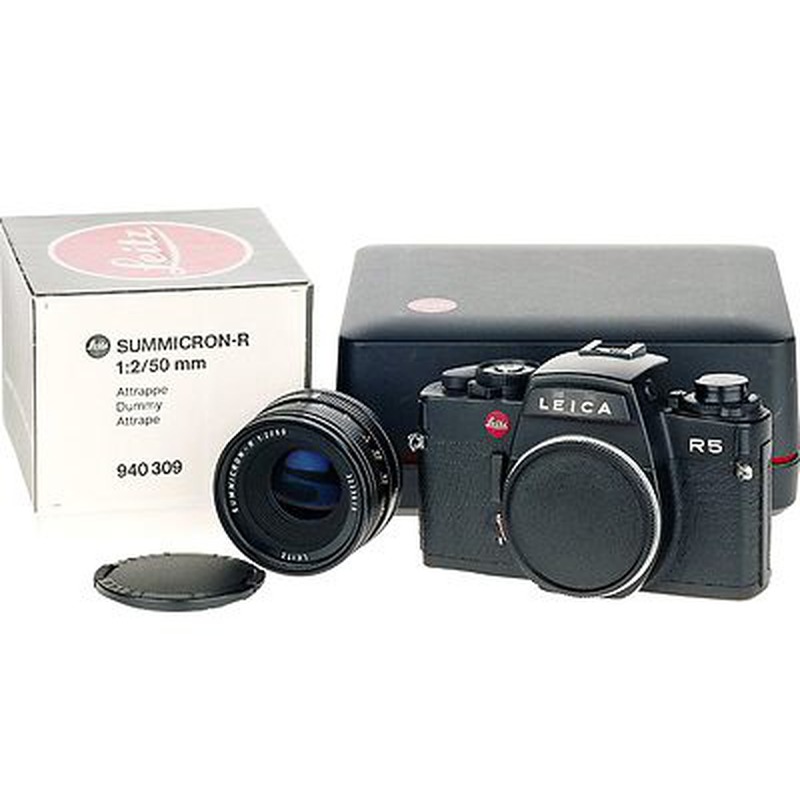
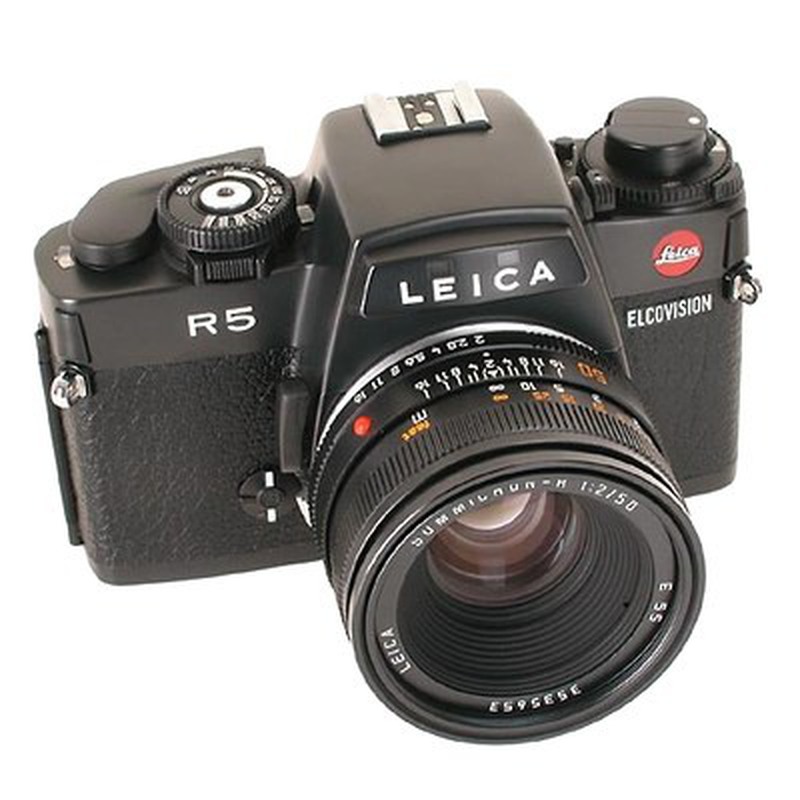
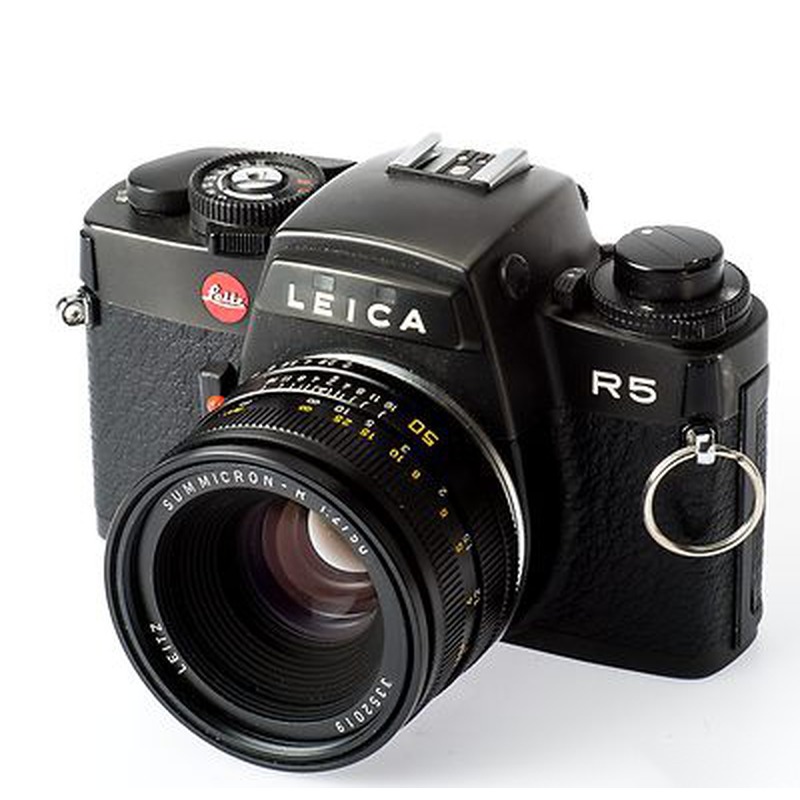
The Leica R5G, introduced in 1987, represents a refined evolution in the German manufacturer's line of single-lens reflex (SLR) cameras for the 135 format (35mm). It belongs to the Leica R series, which followed the earlier R3 and R4 models. As a mechanical shutter SLR, it offered Leica's renowned precision engineering and compatibility with the extensive line of Leica R-mount lenses, known for their exceptional optical quality. The camera featured a robust metal construction, typical of Leica products of the era, and incorporated advancements like a TTL center-weighted light meter with match-needle display in the viewfinder. While not introducing groundbreaking technology, it served as a reliable and high-quality tool for demanding photographers seeking the Leicaflex experience in a more compact and refined package during the late 1980s, a period increasingly dominated by autofocus SLRs from competitors. Its design emphasized user control and tactile feedback over automation.
Compared to the legendary Leica M series or the industry-defining Nikon F, the R5G holds a position as a notable but not historically transformative camera. It was a competent and well-built member of Leica's professional R-system lineup, valued for its durability and the superb performance of its lenses. However, it arrived late in the manual-focus SLR era and lacked the innovative features or cultural impact that defined truly iconic cameras. Its significance lies primarily within the context of Leica's own product development and as a testament to the brand's commitment to mechanical excellence in the face of rapid technological change like autofocus. It remains a respected, though not particularly rare or revolutionary, artifact in the history of 35mm photography.
Specifications
| Film Format | 135 |
 Enjoy this museum? Support on Ko-fi