Pricing
Houghton Ticka Watch Focal Plane
Houghton · UK · 1905–1914 (9 years) · 135 film
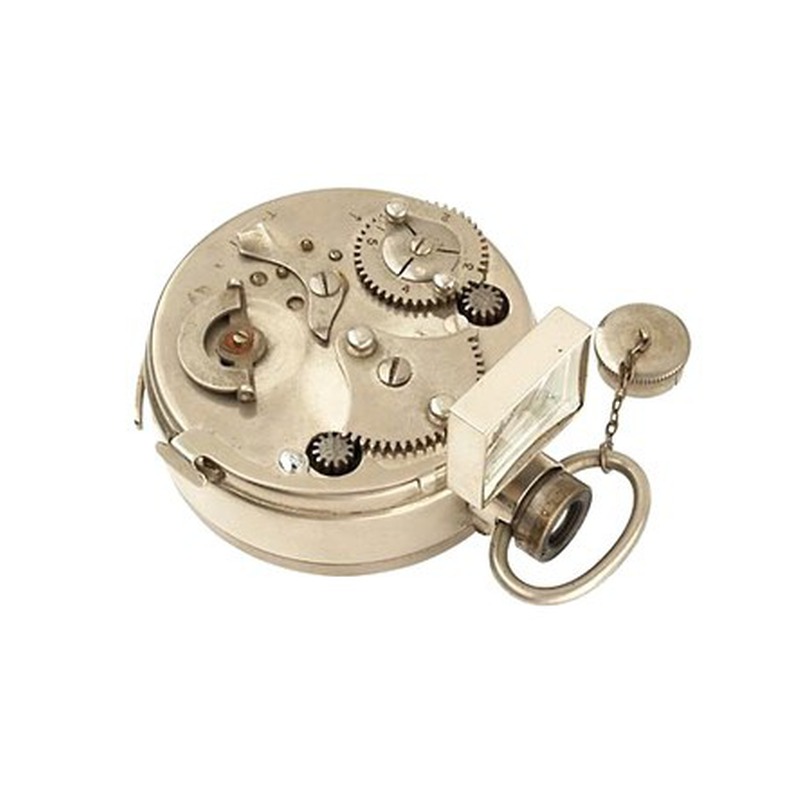
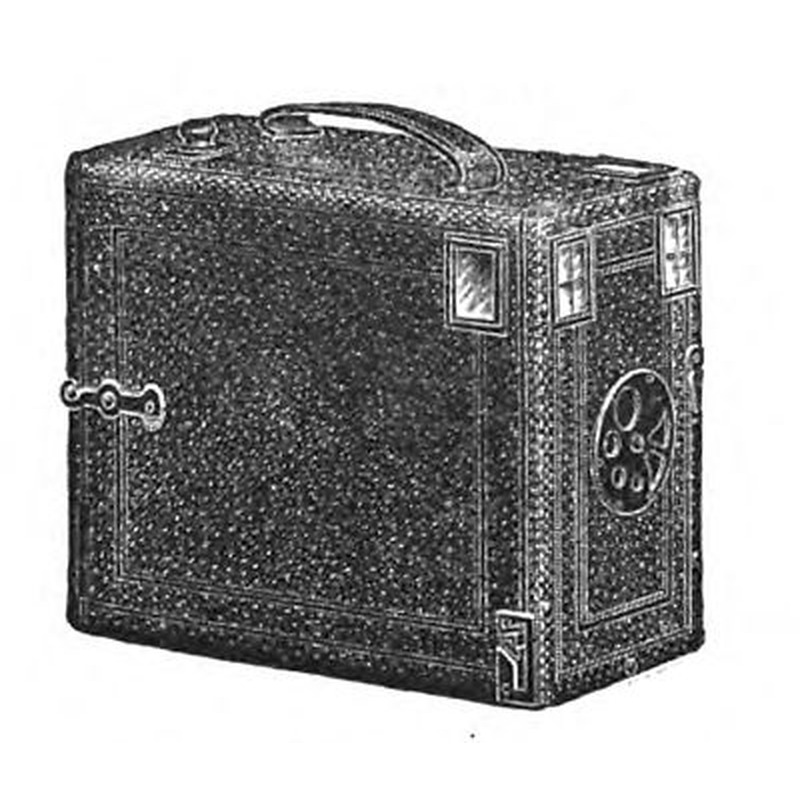
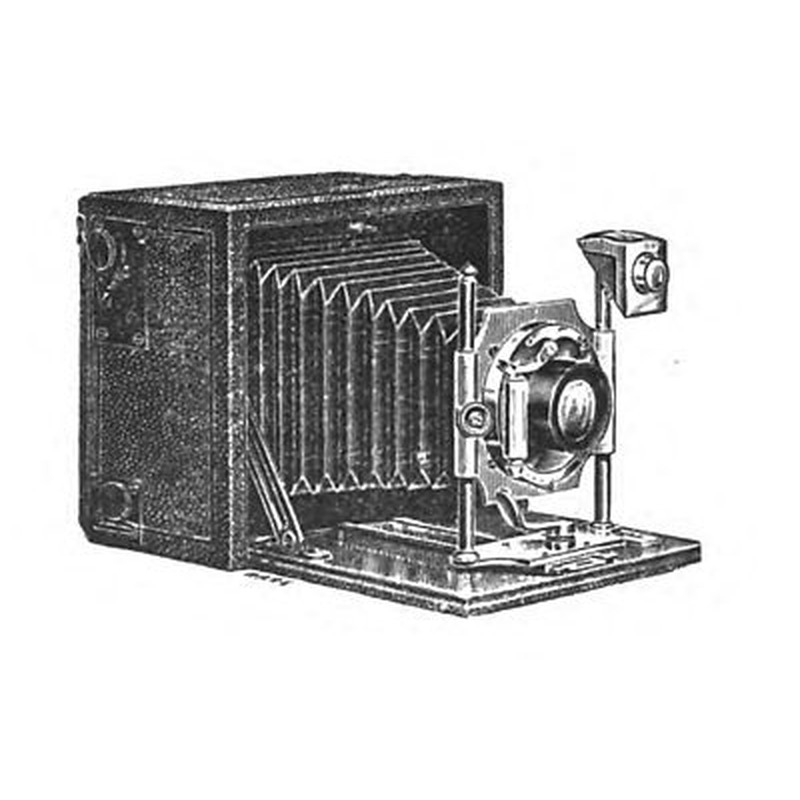
Produced by Houghton from 1905 to 1914, the Ticka Watch Focal Plane camera represents one of the earliest commercial attempts at a compact 35mm still camera, predating the Leica by over a decade. Its defining characteristic is its innovative wristwatch-shaped body, designed to be worn on the user's wrist or carried in a pocket, making it remarkably portable for its era. The camera utilized standard 35mm perforated movie film, loading it into special cassettes that allowed for a modest number of exposures. A small rotating lens barrel protruded from the "watch" face, typically offering basic fixed-focus lenses. Crucially, it employed a focal-plane shutter, allowing for relatively fast shutter speeds for the time, essential for capturing handheld motion, though precise control was likely limited. While its construction (likely brass and leather) provided reasonable durability for its size and period, the complex mechanism within the compact case potentially made it less robust than larger, simpler cameras.
The Ticka holds significance as a pioneering step towards miniature photography, demonstrating the feasibility of 35mm film for still cameras in a portable format before the technology matured. It filled a niche for very casual, snapshot-like photography, predating the rise of mass-market 35mm cameras like the Leica. However, its impact was limited; its unusual form factor, potential handling challenges, and the dominance of larger roll-film cameras meant it did not achieve widespread adoption or significantly influence subsequent camera design beyond being an early example. It remains a curiosity of photographic history, an early but ultimately unsuccessful attempt at a true pocket 35mm camera.
Specifications
| Film Format | 135 |
/main.jpg)
 Enjoy this museum? Support on Ko-fi