Pricing
Balda Pokarette
Balda · Germany · 1931 · 135 film
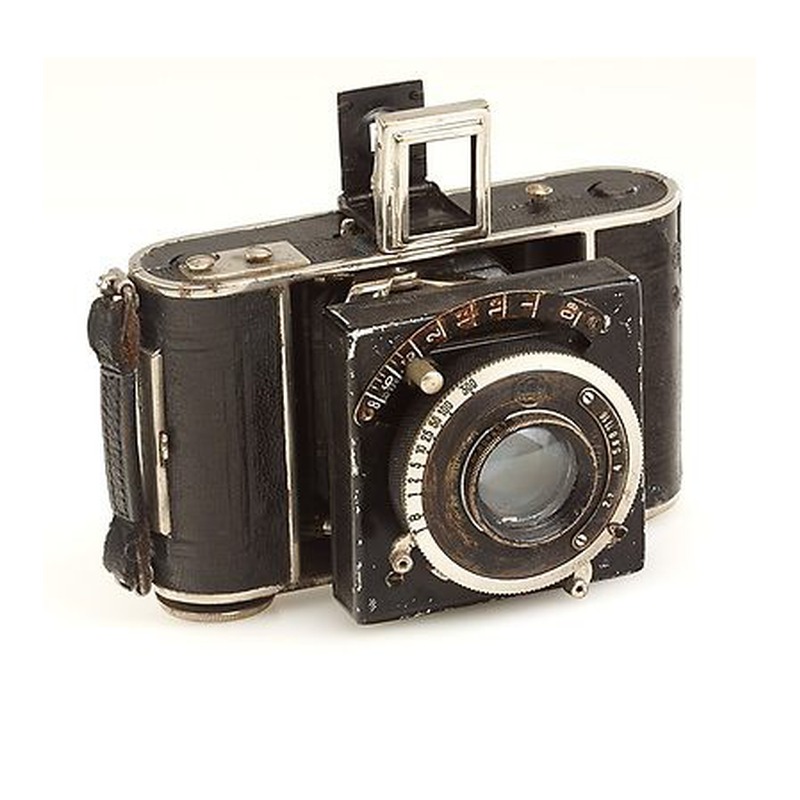
The Balda Pokarette, introduced in 1931, represents a significant step for 35mm photography in the mid-range market during the critical early years of the format. As a 135 camera, it utilized the newly standardized 35mm cine film, making compact, high-quality photography accessible beyond the elite. The Pokarette was positioned as a sturdy, functional alternative to the more expensive Leica and Contessa-Nettel offerings, featuring a focal plane shutter and likely a coupled rangefinder for precise focusing. Its design reflected the German engineering prevalent in the era, prioritizing reliable operation and practical handling for serious amateur photographers seeking a versatile system camera without premium pricing. While not revolutionary in itself, the Pokarette contributed to the popularization and normalization of 35mm photography during a period when its dominance was still being established.
The camera's construction utilized materials typical for its class and time, likely combining metal components with vulcanite or leatherette covering, balancing durability with cost-effectiveness. It offered the essential features of a mid-1930s 35mm camera, including interchangeable lenses (a key advantage for system cameras) and a full range of shutter speeds for various photographic situations. The Pokarette embodies the phase where 35mm transitioned from novelty to a viable format for serious work, filling a crucial niche in the market that helped drive the format's eventual success. Its existence underscores the diverse ecosystem of German camera manufacturing before the war, providing reliable tools that supported the growth of amateur photography.
Specifications
| Film Format | 135 |

/main.jpg)
/main.jpg)
 Enjoy this museum? Support on Ko-fi