/main.jpg)
Pricing
Minolta Autocord (I)
Minolta · Japan · 1955–1965 (10 years) · 135 film
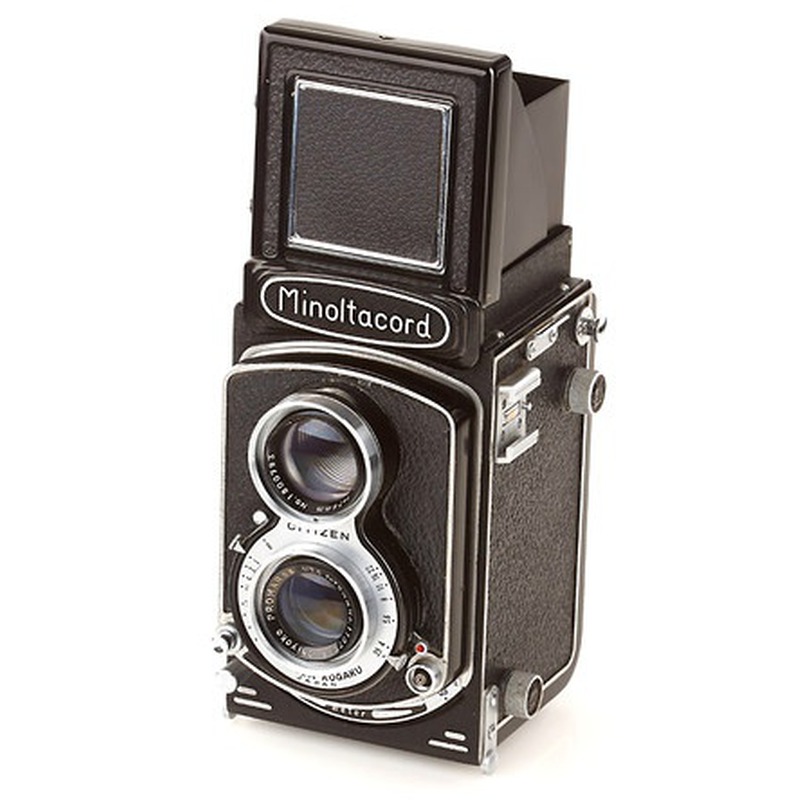
The Minolta Autocord (I) represents a 35mm camera model produced by Minolta during the transitional decade of 1955 to 1965, a period when the company was solidifying its presence in the burgeoning post-war 35mm market. While sharing the Autocord name with Minolta's renowned line of medium format twin-lens reflex cameras, this specific 135 format variant was distinct, likely positioned as an alternative offering or potentially an early naming variant before Minolta established clearer model distinctions in its 35mm line. As a 35mm camera, it would have typically featured a coupled rangefinder focusing system and interchangeable lenses, reflecting the technological norms of the era for serious amateur and entry-level professional cameras from Japanese manufacturers. Its design followed contemporary ergonomic principles, prioritizing functionality over radical styling, and utilized standard materials like metal alloys and leatherette covering consistent with its market segment.
Although not achieving the legendary status of contemporaries like the Leica M3 or Nikon F, the Autocord (I) held its place as a capable workhorse camera during a transformative time in photography. Minolta, like other Japanese firms of the 1950s and 60s, focused on delivering reliable, well-engineered cameras at accessible price points, successfully competing against established European brands. Its production over a decade indicates reasonable market acceptance and reflects Minolta's strategy of offering diverse 35mm formats to capture different segments of the growing photography enthusiast market. While lacking documented groundbreaking innovations, it contributed to the wave of high-quality, mass-produced Japanese 35mm cameras that democratized advanced photography during that era.
Specifications
| Film Format | 135 |
/main.jpg)
/main.jpg)
 Enjoy this museum? Support on Ko-fi