Pricing
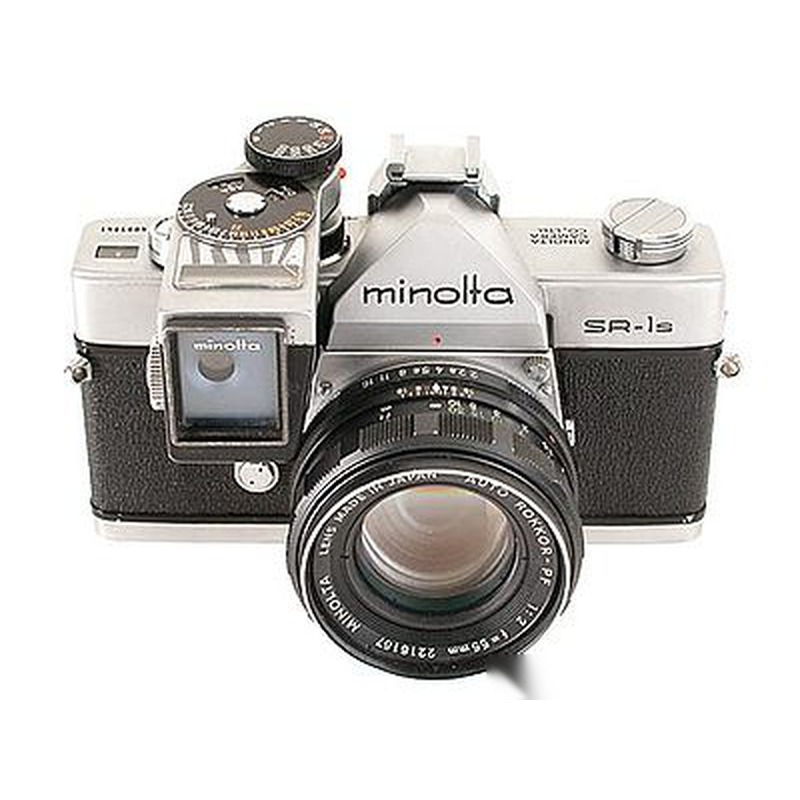
Minolta SR-1 S
Minolta · Japan · 1964 · 135 film
The Minolta SR-1 S, introduced in 1964, was a mid-range 35mm single-lens reflex (SLR) camera that formed a significant part of Minolta's SR series lineup during a crucial period of development for the company. As a successor to earlier SR models, it built upon Minolta's established bayonet lens mount system and incorporated practical refinements. Characterized by a robust, black-enamel metal body typical of mid-60s Japanese SLRs, it offered photographers a solid workhorse platform. Key features included a cloth focal-plane shutter with speeds from 1 second to 1/1000th plus B, a match-needle selenium cell exposure meter mounted on the side (not coupled to the lens aperture), and a standard pentaprism viewfinder providing a clear, laterally correct image. It was designed to be user-friendly and reliable, filling the gap between simpler models and higher-end professional offerings within Minolta's stable.
While not revolutionary, the SR-1 S exemplified Minolta's incremental engineering improvements and its commitment to making accessible SLR technology for enthusiasts. It represents the maturity of the SR-T lineage before the later SR-T series fully embraced TTL metering, serving as a practical and functional tool for its era. Its design choices prioritized durability and operational simplicity, reflecting the manufacturing standards Minolta was achieving globally. The camera contributed to the popularization of interchangeable lens SLRs among serious amateurs, further establishing Minolta as a formidable competitor in the burgeoning 35mm SLR market.
Specifications
| Film Format | 135 |
 Enjoy this museum? Support on Ko-fi