Pricing
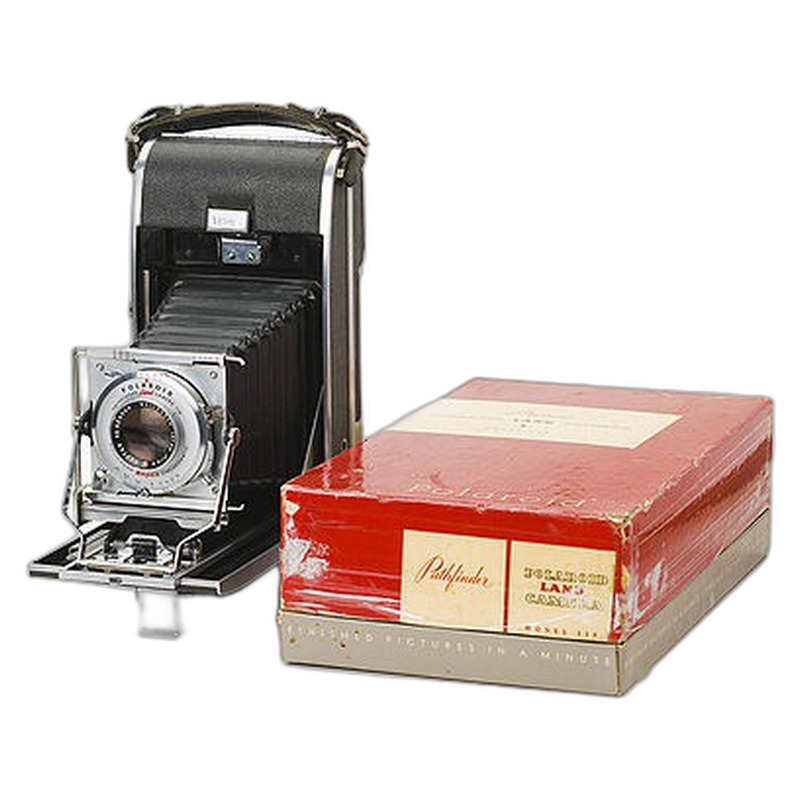
Polaroid 110 Pathfinder
Polaroid · USA · 1952–1957 (5 years) · Instant film
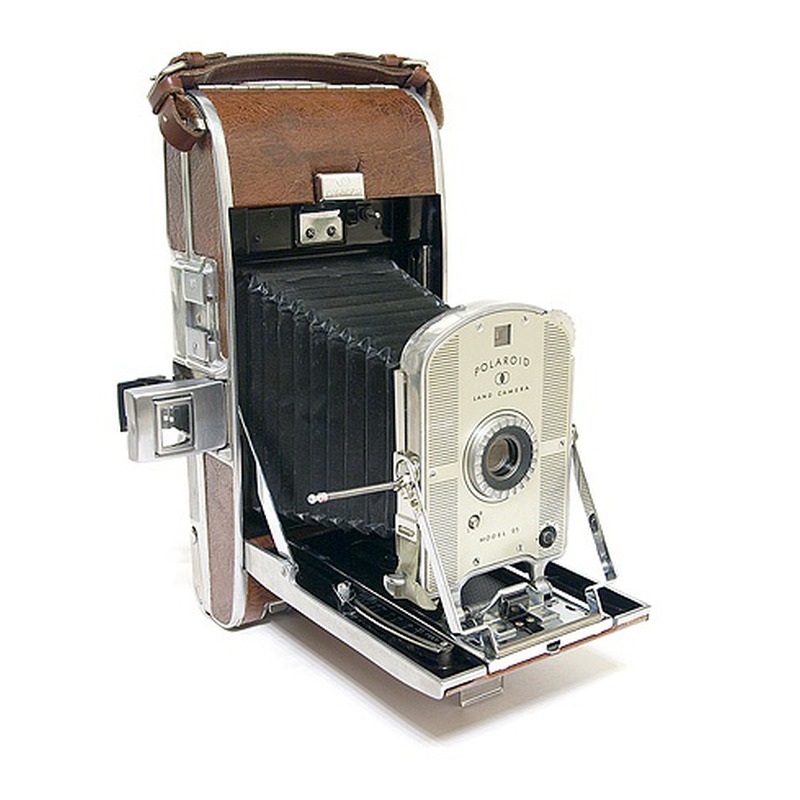
The Polaroid 110 Pathfinder, produced by Polaroid from 1952 to 1957, represents a significant step in making instant photography more accessible to the enthusiast consumer. It utilized the standard 620 film format (a predecessor to 120 roll film), offering a choice of exposures (typically 8 or 10 per roll) and a built-in exposure control system with settings for bright sun, hazy sun, and cloudy conditions. Featuring a collapsible bellows design and a fixed-focus lens, it allowed for focusing down to approximately three feet, making it capable of reasonable close-up shots alongside standard photography. As a part of Polaroid's mid-range line during the early 1950s, it provided a more user-friendly and compact alternative to the earlier, bulkier Model 95 Land Camera while still delivering the instant gratification that defined the brand.
The Pathfinder design emphasized practicality and portability within the constraints of early instant film technology. Its folding body made it relatively easy to carry, and the integrated viewfinder and exposure selector aimed to simplify the process for users unfamiliar with manual exposure settings. While lacking the advanced features or iconic status of later Polaroid models, the 110 Pathfinder solidified the brand's presence in the consumer instant camera market during the crucial post-war period, helping to normalize the concept of instant photography before the revolutionary introduction of peel-apart integral films later in the decade. It served as a reliable workhorse for everyday snapshots and family documentation.
Specifications
| Film Format | Instant |
/main.jpg)
/main.jpg)
/main.jpg)
/main.jpg)
 Enjoy this museum? Support on Ko-fi