/main.jpg)
Pricing
Leica IIIg black (3 Crowns)
Leica · Germany · 1957–1960 (3 years) · 135 film
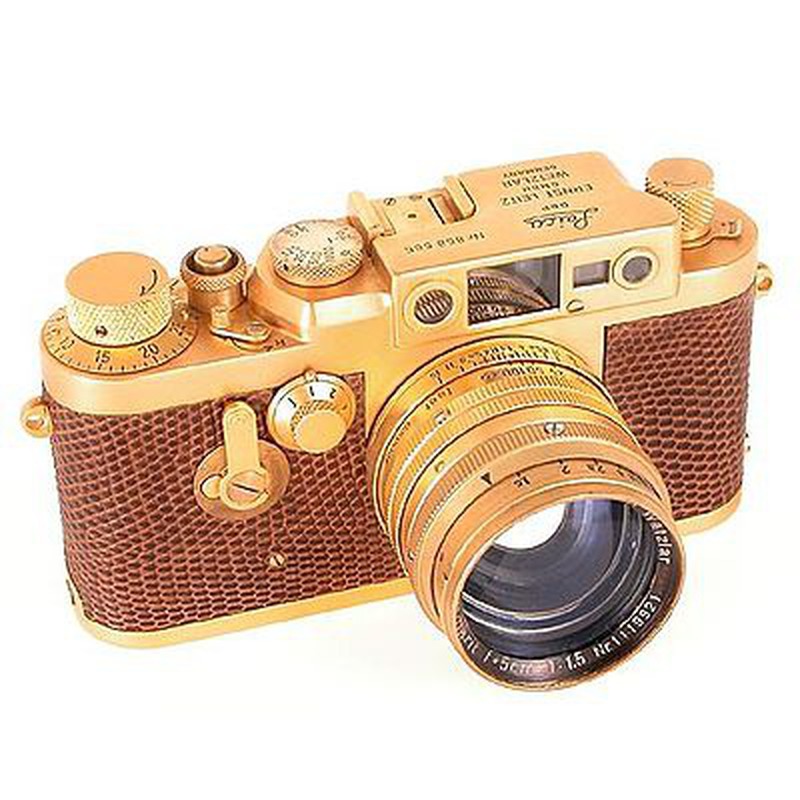
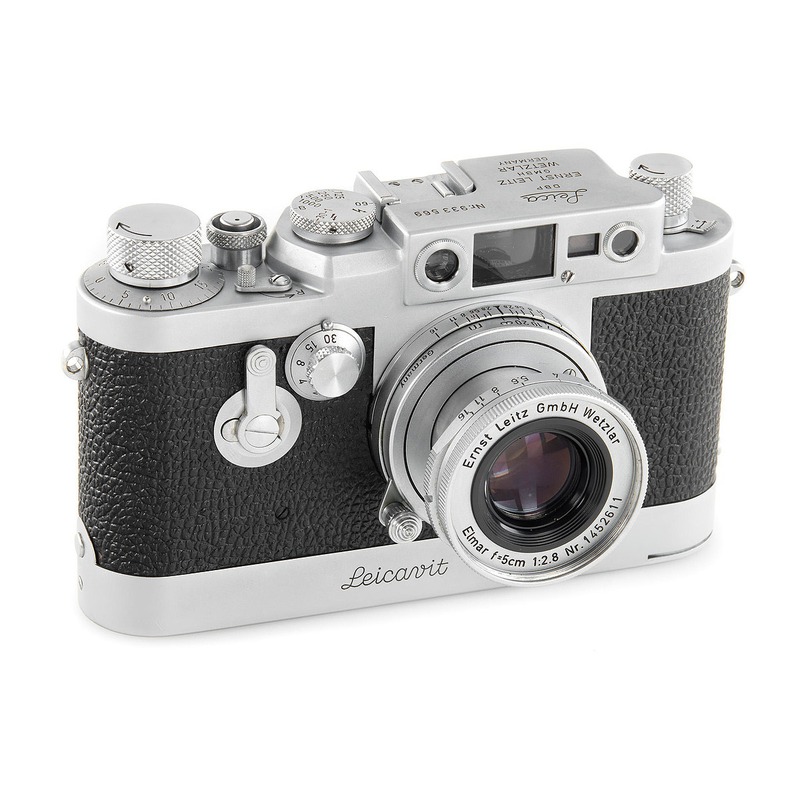
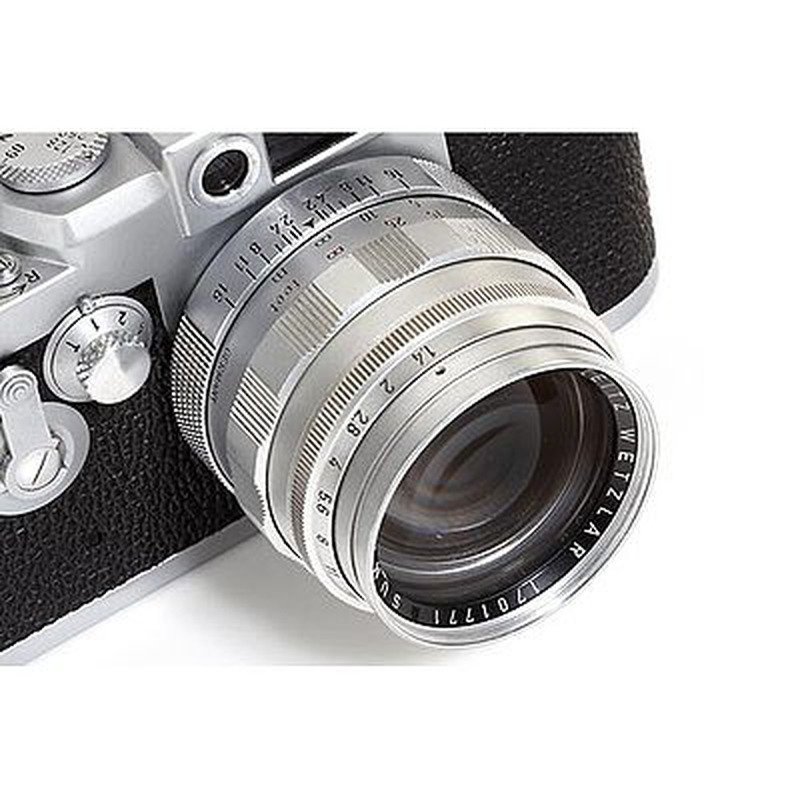
The Leica IIIg represents a refined culmination of Leica's pre-M series screw-mount rangefinder cameras. Produced from 1957 to 1960, it was the final model in the iconic III lineage, bridging the gap between the earlier IIIc/IIIf series and the revolutionary Leica M3 introduced in 1954. While it retained the classic screw lens mount M39x1, it incorporated significant upgrades. Most notably, it featured a vastly improved, larger, and brighter viewfinder with automatic parallax correction and a prominent 0.91x magnification rangefinder patch (often referred to by the three crowns on the top cover). These refinements made focusing and composing significantly easier and more precise, solidifying its reputation as a reliable tool for professional photographers and serious amateurs during the late 1950s. Its build quality remained exceptional, embodying Leica's commitment to precision mechanical engineering and robust construction. Although it quickly became overshadowed by the rapidly advancing M series, the IIIg was a highly capable and well-respected camera in its time, used extensively by photojournalists and documentary photographers.
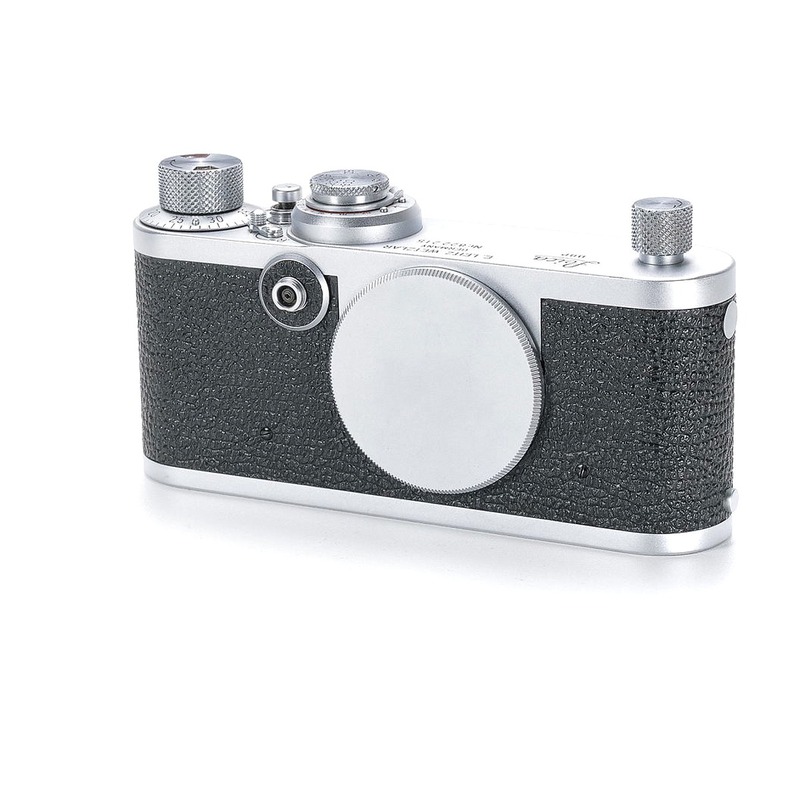
As a transitional model, the IIIg offered a final iteration of the screw-mount system's strengths: compact size, quiet operation, and the vast ecosystem of existing Leica lenses. It inherited the reliable cloth focal-plane shutter from its predecessors but benefited from the enhanced viewfinder system. While it lacked the rapid loading and bayonet mount of the M3, its refined viewfinder represented a significant usability improvement over earlier models. It stands as a testament to Leica's dedication to refining their core design before fully committing to the M series, representing an important, albeit brief, chapter in the evolution of 35mm photography.
Specifications
| Film Format | 135 |
/main.jpg)
/main.jpg)
 Enjoy this museum? Support on Ko-fi