Pricing
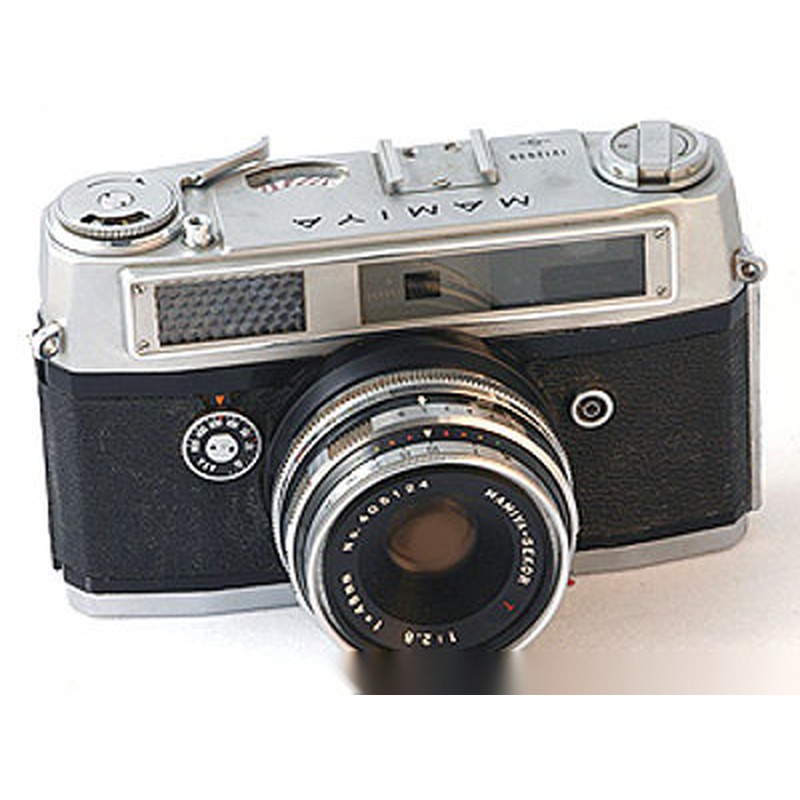
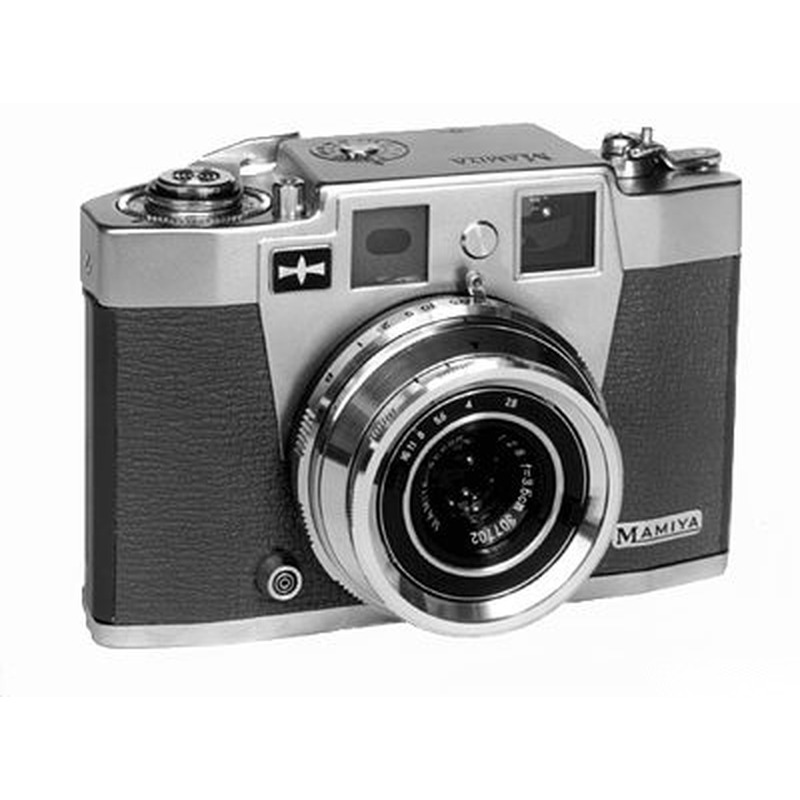
Mamiya Ruby
Mamiya · Japan · 1959
Introduced in 1959 by Mamiya, the Ruby represents a period of expansion for the renowned Japanese manufacturer beyond its core line of professional medium format cameras. Likely positioned as a more accessible model, potentially a 35mm viewfinder or rangefinder camera, the Ruby aimed to capture a segment of the consumer market. Its design would have emphasized practicality and affordability, reflecting Mamiya's strategy to diversify its portfolio in the late 1950s, a time when Japanese camera manufacturers were rapidly gaining global market share with increasingly sophisticated yet competitively priced alternatives to European brands. While specific details on its features or format remain unclear from the provided information, the Ruby's existence underscores Mamiya's exploration of different camera types and market niches during this dynamic era, complementing its more prestigious offerings like the C series.
As a product of Mamiya around 1959, the Ruby likely featured straightforward construction typical of the era's consumer cameras. It would have been aimed at photographers seeking a reliable, entry-level option without the complexity or cost of professional systems. Despite its name evoking elegance, the Ruby's significance lies primarily in being part of Mamiya's broader product evolution and the overall shift in the photographic industry dominated by Japanese innovation. It represents a less documented chapter in the company's history, overshadowed by its later medium format masterpieces but noteworthy as an example of Mamiya's ambition to cater to varying user segments during a period of intense competition.
/main.jpg)
 Enjoy this museum? Support on Ko-fi