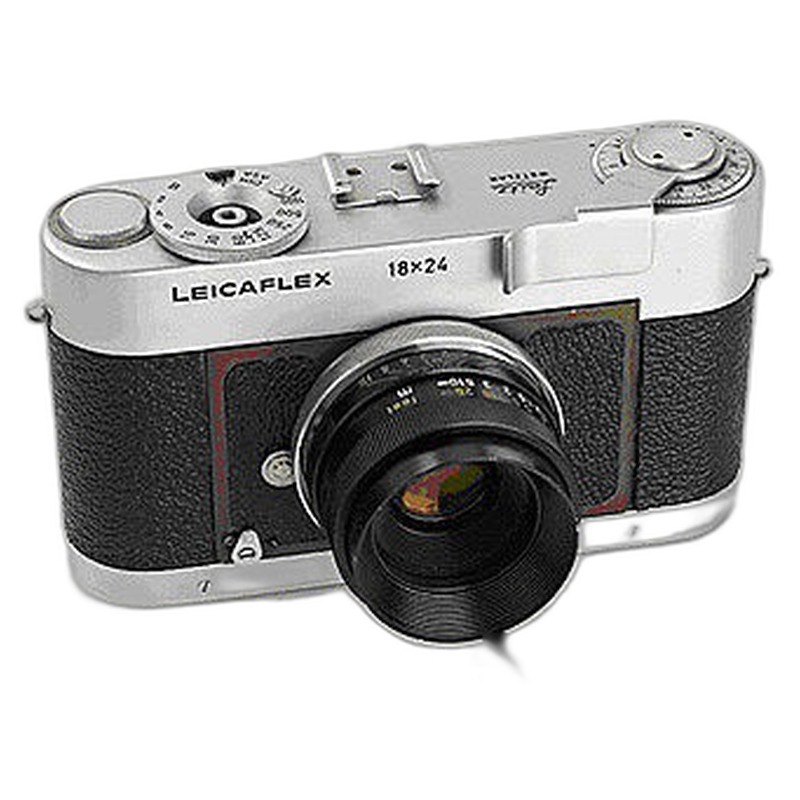
Leicaflex 18x24
Leica · Germany · 1962 · 135 film
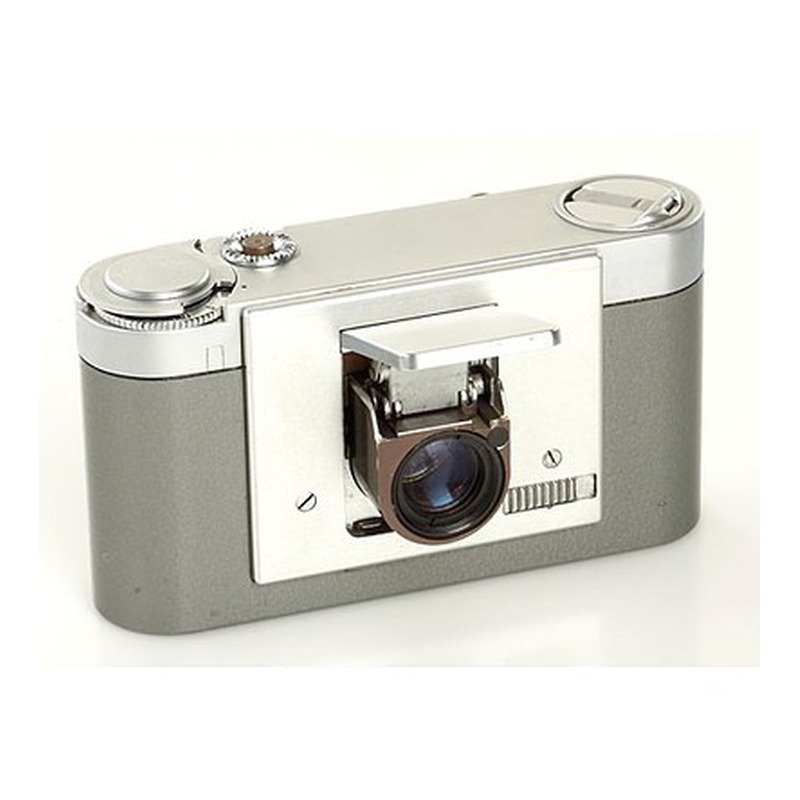
The Leicaflex 18x24, introduced by Leica in 1962, marked the German camera maker's significant return to the 35mm single-lens reflex (SLR) market after a gap of nearly two decades following the post-war Leica III series. Designed to compete directly with the dominant Nikon F, the Leicaflex represented Leica's ambition to establish a credible presence in the increasingly popular SLR format while upholding its reputation for precision engineering and build quality. It featured a robust metal body, a rapid-wind lever, and Leica's standard M39 screw lens mount initially, though subsequent models would transition to the bayonet mount. While technically sophisticated for its time with features like through-the-lens (TTL) viewing (though the original model lacked a built-in meter), the Leicaflex was often perceived as conservative compared to more innovative competitors. Its introduction was crucial for Leica, helping the brand regain relevance in the modern SLR era and laying the groundwork for the later, more refined Leicaflex SL and SL2 models that became benchmark 35mm SLRs.
Developed to leverage Leica's optical excellence and brand prestige in the burgeoning SLR market, the Leicaflex 18x24 prioritized reliability and mechanical excellence over radical feature sets. Its 18x24mm designation referred to the usable image area on a standard 35mm film frame, consistent with the 135 format. Despite facing criticism for its relatively slow shutter speeds and the initial lack of a built-in exposure meter – a feature standard on many contemporary Japanese SLRs – the Leicaflex earned respect for its exceptional build quality, precise shutter mechanism, and the outstanding performance of Leica's M39 lenses adapted for it. It catered to professional photographers and serious enthusiasts who valued Leica's meticulous construction and optical heritage, serving as a bridge between Leica's legendary rangefinder past and its future SLR identity. Its historical importance lies in symbolizing Leica's strategic pivot and commitment to maintaining high standards within the demanding SLR category.
Specifications
| Film Format | 135 |
/main.jpg)
/main.jpg)
 Enjoy this museum? Support on Ko-fi